Housewarming Celebration: Creating Memories with Friends

The term housewarming refers to a deeply rooted cultural tradition, social gathering, or celebratory ritual held shortly after individuals or families occupy a new residence, serving to structurally, socially, and spiritually transition an empty domestic space into a lived-in sanctuary of warmth and security. Moving into a new residence represents one of the most significant milestones in a person’s life journey. It is a transition marked by mixed emotions: the exhausting logistics of packing boxes, the financial investment of securing a property, and the thrilling prospect of a blank canvas waiting for personal identity. Throughout human history, this monumental shift has rarely been done in isolation. Communities have instinctively gathered around new homeowners to ease their transition, establish a foundation of hospitality, and offer communal support. This collective celebration, known across the globe as a domestic welcome ritual, acts as a bridge between structural architecture and psychological comfort. As we navigate through 2026, the underlying essence of this custom remains steadfast, even as our living spaces adapt to sustainable building designs, remote work configurations, and minimalistic aesthetics. A home is no longer just a physical shelter where one sleeps; it has transformed into an multi-functional ecosystem that acts as an office, a creative sanctuary, and a private retreat. Consequently, welcoming loved ones into this redefined space has acquired a layer of deeper emotional resonance. It is an intentional reclamation of physical connectivity in an increasingly digitized society, allowing friends and family to physically anchor their energy, support, and love within the new walls. What is a Housewarming? At its core, this event is a social and psychological mechanism designed to eliminate the inherent coldness of an unfamiliar environment. When a person first enters an empty apartment or a newly constructed house, the space is defined by bare floors, blank walls, and echoes. It belongs to the realm of architecture rather than human life. The celebration functions as a conscious intervention where laughter, conversation, shared meals, and ambient warmth fill the rooms, effectively transforming the structural layout into a personalized, emotional sanctuary. From an operational standpoint, it takes many shapes depending on the host’s lifestyle, architectural layout, and personal preferences. It can range from an informal open-house gathering where guests wander through unfinished rooms with drinks in hand, to formal dinner parties and meticulous spiritual blessings. Regardless of the scale, the underlying purpose is threefold: it allows the hosts to express gratitude to the close support network that helped them achieve this milestone, gives loved ones a chance to supply practical or decorative items to stock the home, and officially introduces the residents to their surrounding neighborhood community. The Deep History and Mythological Origins of Home Warmings To fully comprehend why this practice feels so instinctual, we must travel back centuries to medieval Europe, long before the invention of automated central heating systems or electric climate control. In those times, constructing a new home was a massive, labor-intensive community endeavor. Once the structure was completed, the physical dwelling was cold, damp, and prone to drafts. To make the stone or timber frame inhabitable for a family, neighbors from the village would gather inside the house. Each guest would bring a bundle of seasoned firewood as a practical gift. Fires were simultaneously lit in every available fireplace and hearth throughout the structure. This literally “warmed the house,” drying out the residual moisture in the plaster and timber walls while raising the interior temperature to a comfortable level. Beyond this critical physical utility, the act carried a powerful metaphysical layer. In ancient folklore, an empty, dark, and uninhabited structure was considered highly vulnerable to wandering vagrant entities and negative energies. By building massive fires and filling the rooms with community noise, the villagers believed they were creating a protective atmosphere of light and warmth that would repel evil spirits, making it safe for young children and families to sleep inside. In France, this medieval practice manifested as the phrase pendaison de crémaillère, which translates literally to “hanging of the chimney hook.” The chimney hook was a heavy iron mechanism used over the open hearth to adjust the height of cooking pots. Because it required the structural completion of the chimney to function, installing this hook was the final task of the home’s construction. Once hung, it signaled that a massive feast could be prepared to feed the local tradesmen and neighbors who volunteered their labor. This historic marriage of food, community labor, and architectural completion remains the structural foundation of the contemporary party we recognize today. How the Ritual Works and Adapts to Modern Daily Life In our modern era, the physical necessity of burning firewood to dry out damp plaster has faded into history, but the sociological framework has adapted beautifully. Today, the process typically begins within the first six months of occupancy. Hosts purposefully allow a buffer period of a few weeks or months to unpack core essentials, arrange structural furniture layouts, and establish a natural daily rhythm before opening their doors to an influx of visitors. This ensures the gathering feels celebratory rather than stressful. Modern usage also emphasizes flexibility over rigid formality. With real estate dynamics shifting toward urban apartments, modular tiny homes, and co-living arrangements, gatherings have become highly customizable. Digital invitations have replaced formal stationery, allowing hosts to easily coordinate potluck-style menus, specific registry preferences, or casual drop-in hours. The event serves as a practical showcase of personal taste, allowing guests to admire DIY renovations, color palettes, and spatial design layouts, while reinforcing the social bonds that turn an isolated physical address into a welcoming social hub. Real-World Examples of Worldwide Welcome Traditions Humanity’s universal desire to bless a new living space is reflected in diverse regional customs. Let’s look closely at how different cultures execute these meaningful celebrations: 1. The Ancient Indian Griha Pravesh In Hindu philosophy, entering a new home is treated as a profound spiritual milestone requiring cosmic alignment. Guided by astrological charts, families choose an auspicious date to perform the Griha Pravesh
AI Baby Music: What It Is and How It’s Changing Early Childhood 2026
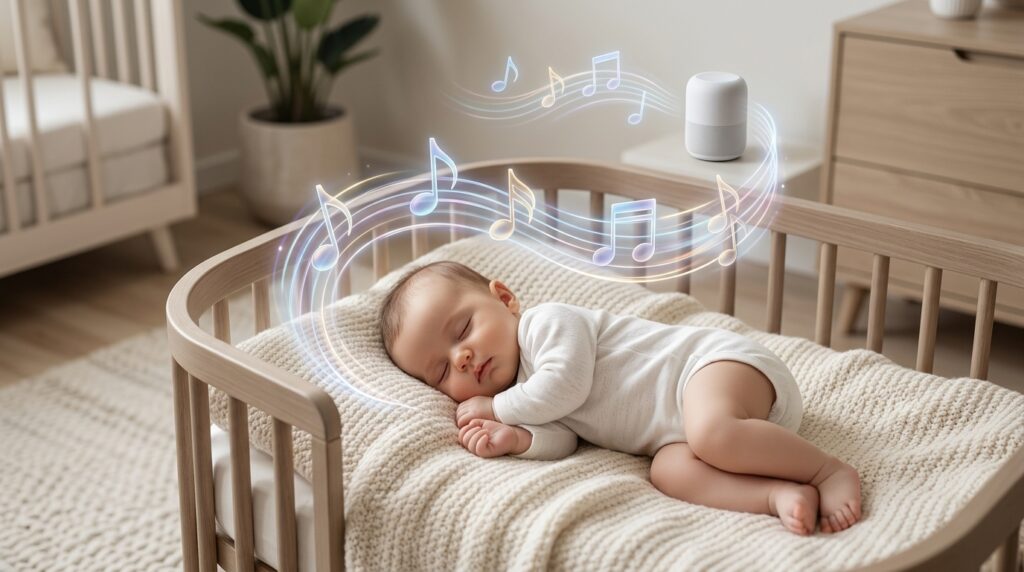
This article covers what AI baby music is, how the technology generates and personalises music for infants, what the research says about music and early childhood development, and how parents can make informed choices. It also touches on how AI audio tools are showing up in workplaces, classrooms, and even study-abroad programs and what that broader context means for how we think about sound and learning. AI Baby Music: What It Is and How It’s Changing Early Childhood Introduction Before a baby understands a single word, they understand music. The rhythm of a lullaby, the rise and fall of a soft melody, these reach infants in ways that language simply cannot. Music has always been one of the earliest bridges between parents and children. Now, artificial intelligence is entering that space. AI baby music audio generated, adapted, or personalised through machine learning is becoming a real product category, showing up in apps, smart speakers, and content platforms aimed at parents of newborns and toddlers. Some of it is genuinely interesting. Some of it is marketing dressed up as science. This guide separates the two. Whether you’re a curious parent, an early childhood educator, or someone tracking how AI is reshaping everyday life, here’s what you actually need to know about AI baby music in 2025. What Is AI Baby Music? AI baby music refers to music that is created, curated, or adapted using artificial intelligence tools — specifically for infant and toddler audiences. This is different from simply playing Spotify lullabies. AI baby music can involve: The technology spans a wide range. On one end, you have sophisticated apps that dynamically adjust a lullaby based on ambient noise levels in the room. On the other hand, you have basic content platforms that label any computer-generated track as “AI music” as a marketing hook. Understanding that difference matters especially when the audience is a child under two years old. How AI Generates Music for Babies To understand AI baby music, it helps to know a little about how generative audio works. Modern AI music systems are trained on large libraries of existing music. They learn patterns, harmonic progressions, rhythmic structures, and melodic shapes, and use them to generate new compositions. The output isn’t copied from existing songs; it’s synthesised based on what the model has learned. For baby-focused applications, developers typically constrain the AI to output music with specific qualities: These parameters aren’t arbitrary. They reflect what we know about infant auditory development and what types of sound tend to have a calming or engaging effect on young children. Some platforms go further. Tools that incorporate lip-sync video technology, like those explored at lipsync.video/baby-singing pair AI-generated or AI-adapted audio with animated visuals of babies or characters appearing to sing. This combination of synchronised audio and visual content is designed to maximise infant engagement, tapping into babies’ particular interest in faces and voices. Music and Early Childhood Development: What the Research Actually Says Before any conversation about AI baby music can be honest, it needs to address the actual science of music and infant development. The good news is that the relationship between music and early childhood is well-supported. Infants respond to music from before birth. Research shows that fetuses can hear and respond to sound from around 25 weeks of gestation. After birth, babies show a preference for music they heard in the womb. This early exposure appears to shape auditory processing in ways that persist into childhood. Music supports language development. The rhythmic and melodic patterns in music overlap significantly with the patterns of speech. Infants who are regularly exposed to music, particularly music with clear rhythm and repetition show stronger phonological awareness, which is a key precursor to reading. Music and emotional regulation are connected. Lullabies are not just a cultural tradition. Slow, predictable music genuinely affects infant nervous systems. The rhythmic predictability signals safety; the soft timbre reduces physiological arousal. Parents across virtually every culture have independently arrived at the same insight: gentle, repetitive music calms babies. Shared musical experience matters most. Here’s something AI cannot replicate: the developmental benefit of a parent singing to a child is not just about the sound. It’s about eye contact, responsiveness, emotional attunement, and the child learning that their presence generates a warm response from a caregiver. A recorded lullaby, AI or not, captures the audio but not the interaction. This does not mean AI baby music has no value. It means its value is different from live musical interaction, and that difference is worth keeping in mind. The Case for AI Baby Music Given what we know, where does AI baby music actually add value? Consistency at inconvenient hours. Newborn sleep patterns are brutal. At 3 a.m., a parent who can activate a well-designed AI lullaby system and get two extra hours of sleep is not doing their child a disservice. Consistent, appropriate background music can support infant sleep without requiring constant parental effort. Adaptive personalization. This is where AI genuinely outperforms a static playlist. A system that detects a baby’s agitation (through environmental sensors or connected baby monitor data) and responds by shifting to slower, softer music is more responsive than any pre-recorded album. Some apps are beginning to incorporate this kind of real-time adaptation. Generating variety without randomness. Babies benefit from both familiarity and gentle novelty. Pure repetition can reduce engagement over time; unpredictable sound can be overstimulating. AI systems can generate music that maintains a consistent emotional texture while introducing small melodic variations — a balance that’s genuinely difficult to achieve with a standard playlist. Support for parents who don’t sing. Not every parent feels comfortable singing aloud. Cultural factors, self-consciousness, and exhaustion all play a role. AI baby music can serve as a bridge — providing the consistent musical environment that benefits infants even when live singing isn’t available. Multilingual and multicultural options. AI music tools can generate lullabies in tonal structures that reflect specific musical traditions — giving parents from diverse backgrounds access to
Bedroom Pop Music – The Ultimate Guide to the Genre.
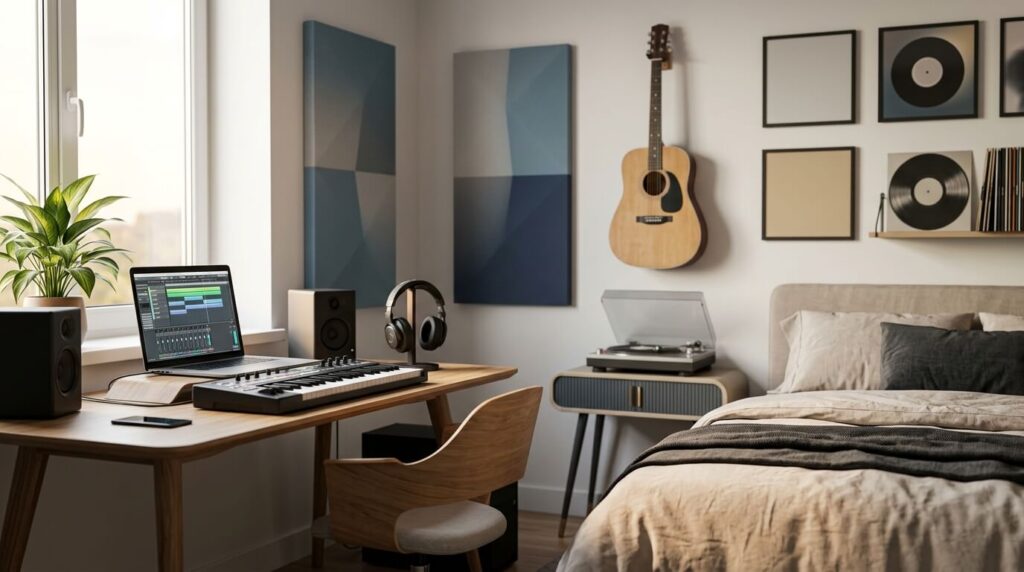
“Bedroom pop music” is a DIY indie-pop subgenre characterized by home-recorded, lo-fi production, soft and intimate vocals, and emotionally honest songwriting — music that sounds like it was made in a personal space, for a personal listener. What Is Bedroom Pop Music? Bedroom pop music is one of the most distinctive and culturally resonant genres to emerge from the internet era. At its core, it describes music that is written, recorded, and produced entirely — or almost entirely — in a home or bedroom setting, typically by a solo artist using affordable equipment and software. What separates bedroom pop from other home-recorded music is its intentional aesthetic of intimacy. The production is often deliberately low-fidelity — you can hear the room, the breath, the imperfections. Rather than hiding these qualities, bedroom pop artists embrace them as part of the emotional honesty of the music. The result is a sound that feels close, personal, and unfiltered in a way that professional studio recordings rarely achieve. Lyrically, bedroom pop music tends to explore themes of longing, anxiety, young love, self-doubt, and quiet joy. These are songs written in private, about private feelings — and listeners respond to that vulnerability in a deep way. Platforms like Spotify, TikTok, SoundCloud, and YouTube have all played a major role in amplifying bedroom pop artists to global audiences. The genre sits at the intersection of indie pop, lo-fi, dream pop, and folk — borrowing textures and moods from each while remaining distinctly its own thing. If you have ever discovered a song that sounded like it was made just for you, there is a good chance it was bedroom pop music. Real-World Examples of Bedroom Pop Music in Use “Clairo’s ‘Pretty Girl’ is the song that introduced me to bedroom pop music — she filmed it on a webcam and it has over 30 million views. That is the whole point of the genre.” Referenced constantly in online discussions about the genre’s defining moment. Clairo’s viral 2017 video became the single most cited example of bedroom pop music breaking into mainstream awareness directly from a home setup. “TikTok’s algorithm pushed so much bedroom pop music onto my FYP this week — Cavetown, Phoebe Bridgers, Rex Orange County. I have been listening for three days straight.” A common experience shared on TikTok and Twitter/X. The platform’s mood-based recommendation engine is particularly well-suited to surfacing bedroom pop music, and artists in this genre frequently go viral there. “r/indieheads just dropped a list of the best bedroom pop music albums of the decade — it sparked a 400-comment debate about what even counts as the genre.” Reddit communities regularly debate the boundaries of bedroom pop music as a genre label. These threads reveal how seriously listeners take the aesthetic and how emotionally connected they feel to it. “Pitchfork’s feature on the rise of bedroom pop music called it the most important indie movement since the early 2000s lo-fi revival.” Music journalism has increasingly covered bedroom pop music as a serious artistic movement. Major outlets now treat it as a fully established genre with its own canon, history, and cultural significance. “I started making bedroom pop music during lockdown with just a MIDI keyboard and Audacity. Posted three songs on SoundCloud and somehow got 10,000 plays.” A story repeated by countless independent artists. The accessibility of bedroom pop music production — and the culture of discovery on streaming platforms — has made it one of the most democratized paths into the music industry. Where Does Bedroom Pop Music Come From? The roots of bedroom pop music stretch back further than most people realize. In the 1980s, artists like R. Stevie Moore were releasing home-recorded cassette albums that carried all the hallmarks of what we now call bedroom pop — unconventional production, deeply personal lyrics, and total creative independence. The lo-fi movement of the 1990s, led by artists like Elliott Smith, Guided by Voices, and Beck, pushed home recording further into the cultural conversation. But the modern bedroom pop music movement as a distinct, named genre emerged in the early 2010s. The rise of free or affordable recording software — GarageBand, Audacity, Logic Pro — combined with the explosion of SoundCloud, Bandcamp, and Tumblr gave a new generation of young artists a direct path from their bedroom to a global audience without label support or studio budgets. The genre crystallized around 2017 when Clairo’s webcam-recorded “Pretty Girl” went viral on YouTube, earning tens of millions of streams and landing her a major label deal. Her success proved that bedroom pop music could compete at the highest level while retaining its intimate, homemade character. Artists like Rex Orange County, Beabadoobee, and Cuco followed closely, each bringing their own flavor to the genre. By the late 2010s, bedroom pop music had its own Spotify editorial playlists, dedicated subreddits, and a thriving global community. Today it continues to evolve, absorbing influences from hyperpop, R&B, and ambient music while staying rooted in its foundational ethic of personal, lo-fi expression. How Is Bedroom Pop Music Consumed and Created Today? In today’s music landscape, bedroom pop music is both a thriving listener culture and an active creative movement. Its presence spans every major platform, and it continues to attract new artists and audiences at an impressive rate. On TikTok, hashtags like #bedroompop and #bedroommusic have accumulated billions of combined views. New bedroom pop artists regularly go viral through short clips of their home recordings — a pattern that mirrors how Clairo first broke through. The platform has become the single most powerful discovery engine for this genre. For listeners who want to explore the creative and sonic world of bedroom pop music in more depth, bedroom pop music resources, production guides, and artist spotlights are increasingly available across dedicated music platforms online. On Spotify, bedroom pop music is well represented in both editorial and algorithmic playlists. Searches for the genre return hundreds of curated collections, and the platform’s mood-tagging system places bedroom pop prominently under labels
Virtual Bedroom Ideas

:How to Create Your Dream Digital Sanctuary Virtual Bedroom Ideas: Transform Your Digital Space Into a Cozy Sanctuary You stare at the default grey walls of your digital room. It feels cold. It feels empty. You want a place that reflects your soul, but you don’t know where to start. Does this sound like you? Most of us spend hours in virtual spaces every day. Whether we are listening to music, chatting with friends, or just vibing, our surroundings matter. A messy or boring room can actually drain your energy. Designing a digital bedroom is different from a real one. You don’t have to worry about the cost of furniture or heavy lifting. You only have to worry about your imagination. Are you ready to stop settling for a boring box and start building a masterpiece? Quick Answer: The best virtual bedroom ideas focus on three things: cohesive lighting (neon or soft pastels), personalized textures (lo-fi rugs or futuristic glass), and functional layouts. Use “Cyberpunk” for high energy or “Minimalist Zen” for relaxation. Integrating live audio visualizers makes the space feel alive. Why do you need better virtual bedroom ideas? Your digital room is your second home. In the modern era, our online identity is just as important as our physical one. If your room looks basic, people might think your taste is basic too. When you explore what Madeonverse actually is in 2026, you realize that rooms are not static. They react to your music. They pulse with your heartbeat. Having a solid plan for your design helps you stand out in the crowd. Good ideas give you a sense of belonging. They turn a sequence of code into a memory. Why live in a default room when you can live in a dream? — Which aesthetic should you choose first? This is where most people get stuck. There are too many choices. Should you go for a “Vaporwave” look with pink and purple? Or maybe a “Cabin in the Woods” vibe with wooden textures? If you are looking for inspiration, checking out Madeonverse room aesthetic ideas is a great starting point. It helps you see how colors interact with 3D space. I always suggest starting with your favorite music genre. If you love Lo-Fi, go for soft browns and cozy cushions. If you love Techno, go for sharp lines and cold metal. Your room should sound exactly like it looks. — The power of lighting in a digital space Lighting is the “secret sauce” of every great virtual bedroom. In the physical world, you are limited by windows. In a virtual world, you can have a floating glowing sun in the corner of your room. Dynamic lighting changes everything. Imagine the walls slowly changing color as the beat drops. This level of immersion is what makes the best virtual music platforms experience so addictive. Don’t just use one light source. Use a mix of “Ambient” light for the whole room and “Point” lights to highlight your favorite decorations. This creates depth and makes your room look professional. — Adding a global touch to your design One of the coolest things about 2026 is seeing how music lovers around the world decorate their spaces. Everyone brings a piece of their culture into their virtual bedroom. Maybe you want to add some Japanese lanterns. Or maybe a rug inspired by Middle Eastern patterns. These small details tell a story about where you come from or where you want to go. Don’t be afraid to mix styles. A futuristic desk in a traditional room looks amazing. It creates a “Cyber-Trad” look that is very popular right now. — My biggest design fail: The “Neon Overload” I have to admit something. When I first started, I thought “more is better.” I put neon strips on every single surface. My room looked like a broken rainbow. I couldn’t stay in there for more than ten minutes. It gave me a headache. I learned the hard way that empty space is actually a good thing. It gives your eyes a place to rest. Now, I use neon very sparingly. One or two glowing lines are much more powerful than twenty. Lesson learned: subtlety is your best friend in digital design. — Step-by-step: How to build your virtual bedroom Follow these steps to avoid a messy design process: Pick a Base Color: Choose one main color and two accent colors. Stick to them. Layout the Furniture: Place your bed or seating area near the “main view” or window. Add the Tech: Place your virtual speakers and screens. Make sure they are visible. Layer the Lighting: Start dark and add lights one by one until it feels right. Personalize: Add 3-5 items that mean something to you. A digital plant, a trophy, or a poster. — Comparison: Minimalist vs Maximalist Bedrooms Minimalist: Clean lines, very few items, white or grey tones. Best for studying and focus music. Feels calm and airy. Maximalist: Every wall is covered, lots of colors, cluttered but cozy. Best for social rooms and parties. Feels energetic and personal. My Verdict: Go Minimalist for your personal “work” room and Maximalist for your public “party” hub. — Common mistakes to avoid in virtual bedrooms The biggest mistake is ignoring the “Collision” settings. Nothing ruins a room faster than an avatar walking through a solid table. Make sure your furniture has proper “hitboxes.” Another mistake is using low-resolution textures. If your rug looks like a blurry mess, it will ruin the whole vibe. Always use high-quality assets, especially for things close to the camera. Lastly, don’t forget the audio. A room without a “Soundscape” feels dead. Add some ambient noise like a fan or distant rain to make it feel real. — Real-life example: The “Space Station” Bedroom Last month, I visited a room designed by a user in Germany. It was a glass box floating in orbit. You could see the Earth rotating through the floor. The bedroom was tiny, but the view
virtual space rooms

Public vs Private Rooms: The Ultimate Guide to Virtual Socializing (2026) Public vs Private Rooms: Which Virtual Space Actually Fits Your Life? Imagine walking into a massive music festival. Thousands of people are dancing. The bass is thumping in your chest. You feel the energy of every stranger around you. It is loud, vibrant, and a little bit messy. This is the heart of the digital public experience. Now, imagine walking out of that festival and entering a private VIP lounge. The door shuts. The noise fades. It is just you and four of your closest friends. You control the lighting. You pick the next track. The air feels different. This is the comfort of a private space. Choosing between public vs private rooms is not just a technical click. It is a decision about how you want to feel. Do you want to be discovered, or do you want to be hidden? Do you want to learn from the world, or do you want to create your own world? Quick Answer: Public rooms are open social hubs designed for networking, global music discovery, and high-energy interactions. Private rooms are password-protected or invite-only spaces meant for close friends, focused creative work, and complete control over the digital environment. For most users, a “hybrid” approach—starting public to find vibes and moving private to build—works best. What makes a room “Public” in the virtual world? A public room is essentially an open-door policy. When you join a public space, you are stepping onto a shared stage. These rooms are indexed by the platform, meaning anyone scrolling through the “Browse” section can see your room and hop in. In 2026, the tech behind these spaces has evolved. When we look at what Madeonverse actually is in 2026, we see that public rooms are no longer just chat boxes. They are high-fidelity ecosystems where audio and visual data sync across hundreds of users simultaneously. The beauty of public rooms lies in the unexpected. You might go in looking for house music and leave with a new friend from Brazil who shares your love for vintage synth. It is the digital equivalent of “people watching” at a coffee shop. — The psychology of private rooms Why do we hide? It is not always about being antisocial. Sometimes, it is about “creative safety.” When you are in a private room, the pressure to “perform” for strangers disappears. Private rooms act as a digital sanctuary. They are the places where you can be yourself. You can experiment with new Madeonverse room aesthetic ideas without worrying about someone critiquing your work-in-progress. For many, the appeal is the “exclusive” feeling. Inviting someone to your private space is a sign of trust. It turns a platform into a home. Is there anything better than having a corner of the internet that is truly yours? — Public vs private rooms: A deep-dive comparison The Social Spectrum Discovery: Public rooms are the kings of discovery. If you want to see how music lovers around the world are trending, you have to go public. Private rooms are a “closed loop”—you only see what you bring in. Security: Private rooms win here. You have a “bouncer” at the door. In public rooms, you are exposed to trolls, bots, and random interruptions. While moderation has improved, it is never 100% silent. Performance: Surprisingly, private rooms often run smoother. Because the server only has to render a few avatars, the lag is almost zero. Public rooms with 500+ people can push your hardware to the limit. — When to choose a public room? Are you a creator? Then you need public rooms. You cannot build a following in a locked room. Public spaces are your marketing tool. They are where you showcase your taste and your personality. If you check the best virtual music platforms experience, you will notice that the most successful users spend 60% of their time in public spaces. Why? Because that is where the growth happens. It is where you find mentors, collaborators, and fans. Go public when you have energy to give. Go public when you want to be inspired by the “chaos” of global creativity. — How to host a high-traffic public room Hosting is an art form. You can’t just open a room and expect people to stay. You have to give them a reason to linger. Here is a quick guide: The Name Matters: Don’t call it “My Room.” Call it “Midnight Lo-Fi & Rain Aesthetics.” Be specific. Set the Vibe: Use visuals that match the audio. If the music is calm, keep the lighting dim. The Greeting: When someone joins, a simple “Hey [Name]” in the chat makes a huge difference. Curate the Playlist: Don’t just play top hits. Play things that provoke a “What is this song?” reaction. — The “Lurker” Problem: A personal insight I used to be terrified of public rooms. I would join, stay for two minutes, and leave the moment someone spoke to me. I was a “lurker.” I thought everyone was judging my avatar or my music choice. But then I made a mistake. I accidentally joined a public room while my mic was on. I was talking to my cat. Instead of laughing at me, the host started a conversation about cats and music. That moment changed everything. I realized that public rooms are just groups of people looking for a connection. My mistake turned into my first digital friendship. Don’t let the fear of being seen stop you from being heard. — Managing your privacy in open spaces While public rooms are fun, you shouldn’t be an open book. Digital safety is paramount. Here are my rules for staying safe while being social: The “Stage Name” Rule: Never use your real full name. Create a persona. Location Privacy: Never mention your city or school. “The East Coast” is fine; “Oak Street” is not. The Link Trap: Never click on a link sent in a public chat unless it
Virtual Platforms

Data Security in Virtual Platforms: How to Protect Your Digital Life Data Security in Virtual Platforms: Everything You Need to Know for 2026 You enter a virtual room. The music starts. The visuals are stunning. You feel like you are in another world. But wait. Who else is in that room with you? Where is your login information going? Is the platform watching your every move? We spend so much time enjoying digital spaces that we forget the locks on our digital doors. Data security is not just for tech experts anymore. It is for everyone who uses a keyboard. Quick Answer: Data security in virtual platforms refers to the protection of your personal info, login credentials, and digital activity from unauthorized access. To stay safe, always use Two-Factor Authentication (2FA), use unique passwords, and limit the personal details you share in virtual social spaces. What exactly is data security in virtual platforms? Think of it as an invisible shield. It protects your “digital twin.” Every time you sign up for a new site, you leave a trail of data. This includes your email, IP address, and even your music preferences. In modern ecosystems like what Madeonverse actually is in 2026, data is more than just text. It is your voice, your avatar movements, and your interaction history. Security ensures that this data stays between you and the platform. Without it, hackers can steal your identity or sell your habits to advertisers. — Why should you care about virtual privacy? Have you ever seen an ad for something you just talked about? That is a data leak. Many platforms track your activity to build a profile of you. In social hubs, privacy is even more vital. You are interacting with people from all over. You wouldn’t give your house keys to a stranger in a park, right? The same logic applies to your digital keys. — Common threats in 2026 digital spaces The tech has improved, but so have the hackers. Here are the main things to watch out for: Phishing Links: Fake links in chat rooms that look like official updates. Social Engineering: People pretending to be admins to get your password. Unencrypted Connections: Platforms that don’t protect the data sent between your PC and their server. Third-Party Apps: Small add-ons that steal data in the background. — How do virtual platforms handle your info? Most reputable sites use encryption. This means they scramble your data into a code. Only the right “key” can read it. When you look at best virtual music platforms experience, you notice that top-tier sites invest heavily in server-side security. They don’t want a data breach. It ruins their reputation. However, some smaller, unverified apps might sell your data to make a quick profit. Always check the privacy policy before clicking “I Agree.” — Step-by-step guide to securing your account Follow these steps to build your digital fortress: Use a Password Manager: Never use “Password123.” Use long, random strings of characters. Enable 2FA: This is your best defense. Even if someone has your password, they can’t get in without your phone code. Check Permissions: Does that music app really need access to your camera? If not, turn it off. Update Regularly: Old software has “holes.” Updates patch those holes. Use a VPN: This hides your location and encrypts your internet traffic. — The mistake I made with my first virtual room I remember setting up a custom space a year ago. I wanted it to look perfect. I was looking for Madeonverse room aesthetic ideas and found a “free” plugin on a random forum. I installed it. Two days later, I was locked out of my account. The “free” plugin was actually a keylogger. It recorded everything I typed. I lost access to my email and my music library for a week. The lesson? Only download tools and assets from official sources. If it seems too good to be true, it probably is. — Comparison: Public vs Private virtual spaces Public Rooms: Great for meeting new people. High risk for data harvesting. Use a nickname, not your real name. Private Rooms: Safe for friends and family. Low risk. You control the guest list. The Winner: Use public rooms for fun, but keep your sensitive activities in private, password-protected spaces. — Managing your social footprint Did you know your chat history is data? Every “hello” is stored somewhere. Be careful about sharing your location or work details in open chats. It is amazing how music lovers around the world can connect so easily. But remember, not everyone has good intentions. Keep your personal life personal. — My personal opinion on “Big Data” I think platforms are taking too much. We trade our privacy for “free” services. I prefer platforms that offer a paid tier with better privacy. If you aren’t paying for the product, *you* are the product. Your data is being sold to the highest bidder. I always opt for sites that have a clear, “No-Log” policy. — Tips for safe virtual browsing Don’t link your social media to every new app. Use a separate email for gaming and music platforms. Clear your cache and cookies once a week. Log out when you are done. Don’t stay logged in on public computers. — Actionable steps for today Don’t wait for a hack to happen. Do these three things right now: Change your main platform password. Check which apps have access to your Google or Facebook account. Turn on login alerts so you get an email if someone else tries to enter your account. — Common mistakes to avoid Many people think “Incognito Mode” makes them invisible. It doesn’t. It only hides your history from your family, not from the platform or your internet provider. Another mistake is using the same password for your bank and your music account. If the music site gets hacked, your bank account is at risk too. — Internal Link Suggestions Latest updates in virtual music tech Top secure
Study Abroad in AI, Technology, Workplace Styling & Classical Music
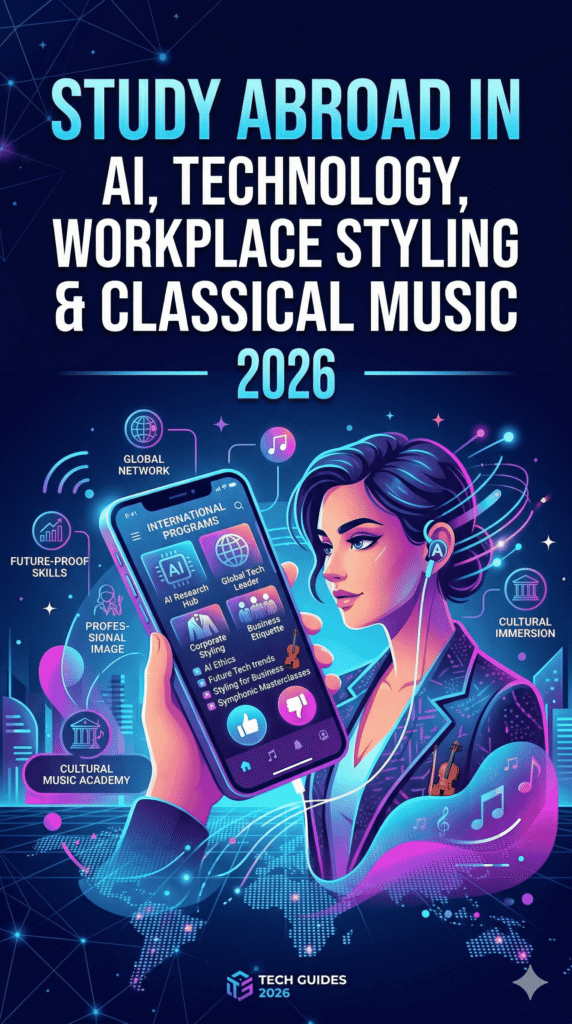
This article examines emerging study abroad pathways that connect artificial intelligence, technology, workplace dynamics, creative styling through aesthetics, and classical music. It highlights real academic initiatives, such as Lund University’s work visualising classical music with AI, and offers practical guidance for U.S. students seeking programs that foster cross-disciplinary skills valued in modern creative and tech industries. Introduction Students interested in both technology and the arts often search for programs that don’t force them to choose one over the other. Study abroad experiences in AI technology, workplace styling, and classical music open doors to exactly that kind of integration. These opportunities let you explore how classical traditions inform modern creativity, how AI tools reshape artistic expression, and how aesthetic awareness enhances workplace innovation. Programs in Europe and select global hubs increasingly blend these fields. You can study how AI visualizes music, how cultural aesthetics influence business creativity, or how technology intersects with performance and design. For American students, these experiences build unique perspectives that stand out in resumes and graduate applications. What Makes These Interdisciplinary Study Abroad Programs Valuable Fields once seen as separate now overlap in meaningful ways. Classical music offers deep training in pattern recognition, emotional intelligence, and structured creativity. AI and technology provide tools to analyze, generate, and visualize those patterns at scale. Workplace styling and aesthetics bring focus to how environments, visuals, and human experience shape productivity and innovation. Together, they address real demands in today’s job market: companies seek professionals who understand both technical systems and human-centered design. Study abroad adds cultural depth, adaptability, and global networks that purely domestic programs rarely match. Classical Music and AI: A Growing Intersection One notable example comes from Lund University School of Economics and Management (LUSEM) in Sweden. At the Centre for Aesthetics and Business Creativity, postdoctoral researcher Dr. Alexandra Huang-Kokina leads the OPERACTIVE project. She uses AI to generate visuals based on her personal interpretation of classical music and opera pieces. These AI-created images accompany live performances, aiming to deepen audience engagement and make classical forms more inclusive. The project challenges traditional boundaries by pairing musical interpretation with AI-generated visuals. It sits within a broader center focused on aesthetics, business creativity, and organizational innovation. This work shows how classical music can serve as rich source material for AI experimentation while AI offers new ways to interpret and present enduring art forms. Such initiatives demonstrate practical applications: AI doesn’t replace human artistry but extends it, creating hybrid experiences that blend sound, image, and emotion. Students exposed to this kind of research gain insight into emerging creative workflows. Study Abroad Programs Blending Music, AI, and Technology Several universities offer structured opportunities that align with these themes: Look for programs that allow cross-registration between music, computer science, design, and business faculties. Faculty-led short programs or research-oriented semesters often provide the most direct exposure to hybrid topics. Workplace Styling, Aesthetics, and Creativity in Global Contexts “Workplace styling” here refers to the thoughtful design of environments, experiences, and visual cultures that support creativity and productivity. Study abroad in design-oriented cities lets students examine how classical principles of harmony, balance, and rhythm translate into modern office spaces, digital interfaces, or brand aesthetics. European programs frequently emphasize organizational creativity—an area where classical music training (discipline, collaboration, improvisation within structure) meets technology. Students learn how aesthetic awareness improves team dynamics, innovation processes, and user-centered technology design. For example, centers exploring aesthetics and business creativity investigate how art forms influence leadership, team collaboration, and workplace culture. Immersing yourself in a different country’s approach to these ideas reveals cultural variations that pure classroom study misses. How to Choose and Prepare for the Right Study Abroad Program Start by clarifying your goals. Do you want technical depth in AI tools applied to music? Cultural immersion in classical performance hubs? Or a focus on creative business practices and aesthetic design? Steps to take: Speak with study abroad advisors and faculty in relevant departments. Ask about past student projects that combined these areas. Benefits for U.S. Students and Career Preparation These programs develop skills that translate directly to workplaces: Graduates often stand out in roles involving creative technology, user experience design, digital content strategy, arts administration with tech components, or research in human-AI collaboration. The cultural adaptation and independence gained from living abroad further strengthen soft skills valued by employers in dynamic industries. Potential Challenges and How to Address Them Interdisciplinary programs can feel unstructured at first. Clear communication with advisors helps align courses with your major requirements. Funding remains a common concern. Research scholarships targeted at STEM+Arts or creative technology students, as well as program-specific aid. Cultural adjustment takes time, especially when navigating different academic styles or language nuances in technical discussions. Orientation programs and peer networks ease this transition. Finally, technology access varies. Confirm that host institutions provide necessary software, labs, or performance spaces before committing. Conclusion Study abroad opportunities that weave together AI technology, workplace styling through aesthetics, and classical music offer a distinctive way to build versatile expertise. They encourage students to see connections between tradition and innovation, between sound and code, and between personal creativity and organizational impact. For U.S. students curious about these intersections, targeted programs in Europe and beyond provide hands-on experience that textbooks alone cannot deliver. The result is a broader skill set and a fresh perspective on how creative fields evolve in a technology-driven world. CTA Ready to explore programs that combine study abroad with AI technology, workplace styling, and classical music? Visit madeonverse.pro for more resources on creative education paths and global opportunities. FAQ Are there study abroad programs specifically for AI and classical music? Direct degree programs are rare, but interdisciplinary options exist through music technology tracks, AI research centers, and aesthetics-focused initiatives like those at Lund University. Many students create their own pathway by combining courses from different faculties. Which countries offer the strongest options in these areas? Sweden, Spain, the Netherlands, Austria, and Germany stand out for blending classical music heritage with emerging technology and creative business
Pandora Music: The Complete Guide to Streaming Smarter in 2026
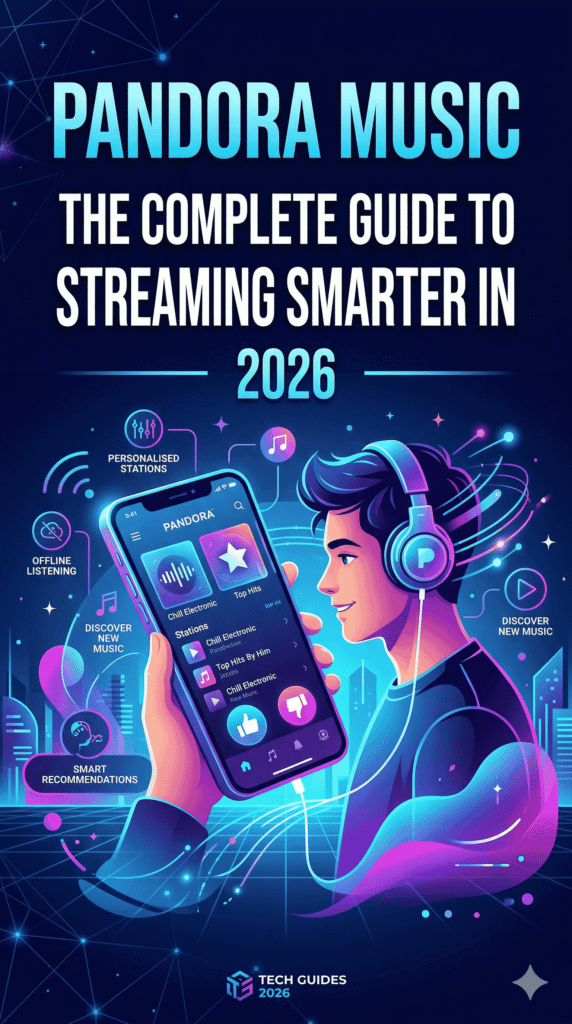
Pandora Music has been part of the American streaming landscape since 2000 — long before Spotify arrived on US shores, and well before “algorithm” became a household word. Yet a lot of people still aren’t sure what Pandora actually offers in 2025, how its plans compare, or whether the app is worth keeping alongside something like Spotify. This guide cuts through the confusion. Whether you’re considering Pandora Music for the first time or you’ve been using it for years and want to get more out of it, here’s what you need to know. What Is Pandora Music, Exactly? Pandora is a US-based music streaming service built around two core experiences: radio-style listening and on-demand playback. It was one of the first platforms to use the Music Genome Project a system that analyses songs across hundreds of musical attributes to power personalised radio stations. Unlike most streaming services that simply let you pick any song, Pandora’s original product was about discovery. You’d plant a “seed” an artist, song, or genre and Pandora would build a station around it. Over time, your thumbs-up and thumbs-down feedback trained it to get sharper. That radio model still exists and remains genuinely good. But Pandora has also evolved into a full-on-demand service through its Premium tier, meaning you can now search for and play specific tracks just like you would on Spotify or Apple Music. Pandora’s Music Genome Project analyses songs across hundreds of musical attributes from tempo and instrumentation to lyrical themes and production style. It’s what makes its radio stations feel different from a generic shuffle. How the Pandora Music App Works The Pandora Music app is available on iOS, Android, desktop browsers, smart TVs, and several connected car systems. Setup is straightforward: create an account, enter your musical tastes during onboarding, and you’re presented with personalised stations immediately. Stations Stations are Pandora’s bread and butter. Start one from any artist, song, or genre and the platform builds a continuous stream of related music. You can thumb up tracks you like, skip songs you don’t, and Pandora learns over time. Stations can be edited, renamed, and shuffled together to create broader listening experiences. Playlists and On-Demand (Premium Only) With a Premium subscription, Pandora functions more like a traditional streaming service. You can build playlists, listen to full albums in order, and search for specific songs to play on demand. The catalogue covers most major artists and labels. Podcasts Pandora also hosts a podcast library. If you’re already using the app for music, it’s a convenient place to consume podcasts without switching apps though dedicated podcast apps still offer more curation tools. App Availability Note: Pandora Music is available on iOS, Android, desktop browsers, Amazon Echo, select smart TVs, Roku, Android TV, and certain connected car platforms. It is only available to users in the United States. Pandora Music Plans: Which One Is Right for You? Pandora offers three tiers. Here’s how they break down in plain terms: Pandora Free — $0/month Pandora Plus — $4.99/month Pandora Premium — $9.99/month The free tier is fine if you’re a casual listener who doesn’t mind ads and limited skips. Plus makes sense if you love radio-style discovery but find the interruptions frustrating. Premium is for anyone who wants the full streaming experience search any song, play it now, save it offline. Family and Student Plans Pandora also offers a Premium Family plan (up to six accounts) and a discounted student rate for Premium. If you’re already paying for Spotify or Apple Music family plans, it’s worth comparing the per-person cost Pandora’s family pricing can come out cheaper depending on your household size. Pandora Music vs. Spotify: An Honest Comparison This is the question most people are actually asking when they search for Pandora Music. Both services serve US listeners well, but they’re built around different philosophies. Pandora Spotify If discovery and effortless radio-style listening are your priority and you’re in the US Pandora holds its own. If you want on-demand by default, a larger catalogue, and global availability, Spotify is the stronger pick. Many listeners use both: Pandora for background listening and discovery, Spotify for building and sharing playlists. Artists active on both platforms include many of the same names from independent artists to major label acts. If you’re a fan of discovering new artists, checking out a curated artist page on Spotify (https://open.spotify.com/artist/3X8tqA34H3odz1gCCHxrzc) alongside Pandora’s station for that artist can give you a broader picture of their catalogue before you commit to a follow or playlist add. Getting More Out of Pandora Music Most people use a fraction of what Pandora actually offers. Here are the features worth knowing about: Thumbprint Radio Pandora’s Thumbprint Radio pulls together every song you’ve ever thumbed up across all your stations into a single personalised stream. If you’ve been using Pandora for years, this station often feels uncannily well-tuned. Worth enabling if you haven’t already. Station Variety Slider Each station has a variety setting from “focused” (plays mostly music very close to your seed) to “discovery” (ranges wider into related styles). If a station starts feeling repetitive, moving the slider toward discovery can refresh it meaningfully without starting over. Shuffle Multiple Stations Pandora lets you select multiple stations and shuffle between them. It’s a simple feature that works well if you’ve built several themed stations and want variety without micromanaging. Offline Listening (Plus and Premium) On Plus, you can download up to three stations for offline listening. On Premium, you can download playlists and albums. This is particularly useful on commutes or travel where data usage matters. Pandora on Smart Speakers Pandora works natively with Amazon Echo devices. “Alexa, play my Pandora station” is one of the cleaner integrations in the smart speaker space, especially for free-tier listeners who don’t want to pay for a full streaming subscription just for kitchen background music. Can You Get Pandora Music on Meta Quest 3? This is a question that comes up more than you’d expect and the honest answer is:
Calming Room: How to Design a Space That Truly Relaxes
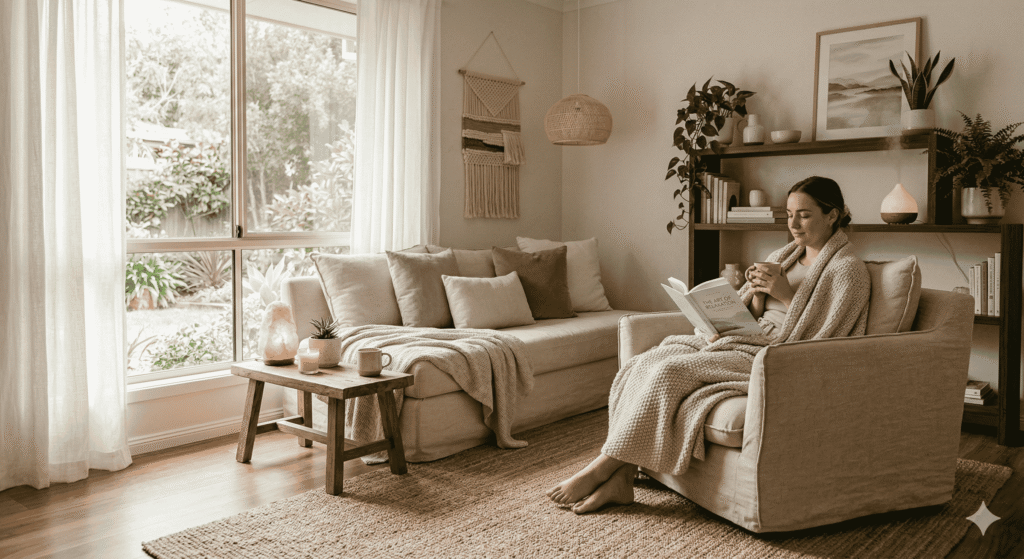
This article covers what makes a room genuinely calming, not just aesthetically pleasing, and how to build one around your real space, habits, and sensory preferences. It’s practical, specific, and skips the generic advice that fills most design guides on this topic. Introduction Most rooms that get called “Calming Room” online look peaceful in photos and feel like nothing in person. The lighting is staged, the surfaces are cleared for the shoot, and the aesthetic is borrowed from someone else’s life. A genuinely calming room is different. It’s designed around how your nervous system actually responds to color, sound, texture, light, clutter, and air. It’s not a mood board. It’s a functional environment. If you want to create a calming room that actually lowers your stress levels when you walk into it, this guide is built for that. No filler, no vague inspiration. Just a clear framework for getting it right. What Makes a Room Calming (It’s Not Just Aesthetics) The word “calming” gets used loosely in design. It usually means soft colours and tidy shelves. But a room that looks calm and a room that feels calm are not the same thing. A room that genuinely calms you down works on a sensory and psychological level. It reduces cognitive load, the mental effort your brain spends processing visual information. It signals safety. It gives your nervous system permission to downshift. That happens through specific, overlapping elements: light quality, colour temperature, acoustic texture, spatial order, tactile comfort, and the absence of visual noise. When those elements align, the room does something for you before you’ve even sat down. When they don’t align, when the paint is technically “sage green” but the overhead light is cold and blue, or when the shelves are styled, but everything you actually need is piled on the floor, the room looks right but feels wrong. That gap is where most calming room projects stall. The Core Elements of a Calming Room Light: The Most Underestimated Variable Lighting has more impact on how a room feels than almost anything else, and it’s consistently underestimated in design advice. Cool, blue-white overhead light, the kind in most ceiling fixtures, triggers alertness. It’s the wrong choice for a space where you want to feel calm. Warm light, especially at lower levels, signals the brain that the day is winding down. That’s not a design opinion; it’s how your circadian system works. For a calming room, the goal is layered, warm, low light. Replace overhead fixtures with floor lamps, table lamps, and wall sconces. Position them at eye level or below. Aim for bulbs in the 2700K–3000K range. Dimmer switches give you flexibility across different times of day. Natural light matters too, but it’s about diffusion, not volume. Harsh direct sunlight creates glare and heat. Soft, indirect natural light filtered through sheer curtains or bounced off a light-colored wall is the most calming version. Colour: Go Beyond “Soft” The standard advice is “use soft, neutral colours.” That’s accurate but incomplete. Colour affects mood through three properties: hue (the colour itself), saturation (how vivid it is), and value (how light or dark). Low-saturation, mid-to-high value colours, the muted, slightly greyed-out versions of most hues, are consistently associated with lower stress responses. That includes soft blues, warm taupes, muted greens, dusty blush tones, and warm off-whites. What to avoid: high-saturation versions of any colour, stark white (which reads as cold and clinical in most lighting), and too many competing colours in the same space. One useful rule: choose one dominant colour, one secondary, and let neutrals fill the rest. The dominant colour should cover the largest surfaces, walls, floor, or large furniture. The secondary appears in accents. Neutrals hold everything together. Your personal response to colour matters too. Some people find deep navy calming. Others find it heavy. Test before committing to a full wall. Texture and Tactile Comfort Visual texture, the variety of surfaces in a room, affects how warm or cold a space feels, even when the temperature hasn’t changed. Hard, smooth, reflective surfaces (glass, metal, glossy paint) read as cool and formal. Soft, matte, layered surfaces (linen, wool, natural wood, matte walls) read as warm and safe. A calming room typically leans toward the second category. That doesn’t mean eliminating all hard surfaces — it means balancing them. A natural wood side table beside a soft linen sofa. A wool rug on a hardwood floor. Matte ceramics rather than glossy ones. Tactile comfort also applies to what you’re actually touching when you’re in the room. The weight and softness of a throw blanket, the texture of a cushion cover, the feel of a chair’s upholstery, these are sensory inputs that contribute to whether the room actually calms you down when you’re using it. Acoustic Quality Sound is seldom discussed in room design guides, but it directly affects stress levels. Hard surfaces, bare floors, bare walls, and glass reflect sound and create echoes. That reflected sound increases auditory processing effort, which keeps your nervous system mildly activated even when you think you’re resting. Soft surfaces absorb sound. Rugs, curtains, upholstered furniture, bookshelves, and soft wall treatments all help. A room with good acoustic absorption feels quieter than it is, and that quietness registers as calm. You don’t need acoustic panels or soundproofing. You just need enough soft material in the room to dampen reflection. A large area rug and floor-length curtains do more for a room’s calm than most people realise. Spatial Order Without Minimalism Clutter increases cognitive load. That’s been studied enough to be considered settled. Visual complexity: too many objects competing for attention keeps the brain slightly busy even when you’re trying to rest. The solution is not minimalism. Stripped-back, furniture-only rooms work for some people and feel cold and unlivable to others. The goal is order, not emptiness. “Order” means everything visible has a place, surfaces aren’t overloaded, and there’s enough visual breathing room that your eye can settle rather than scan. Practically, that means: You
Spotify Bedroom: Visualise Your Music-Inspired Dream Room
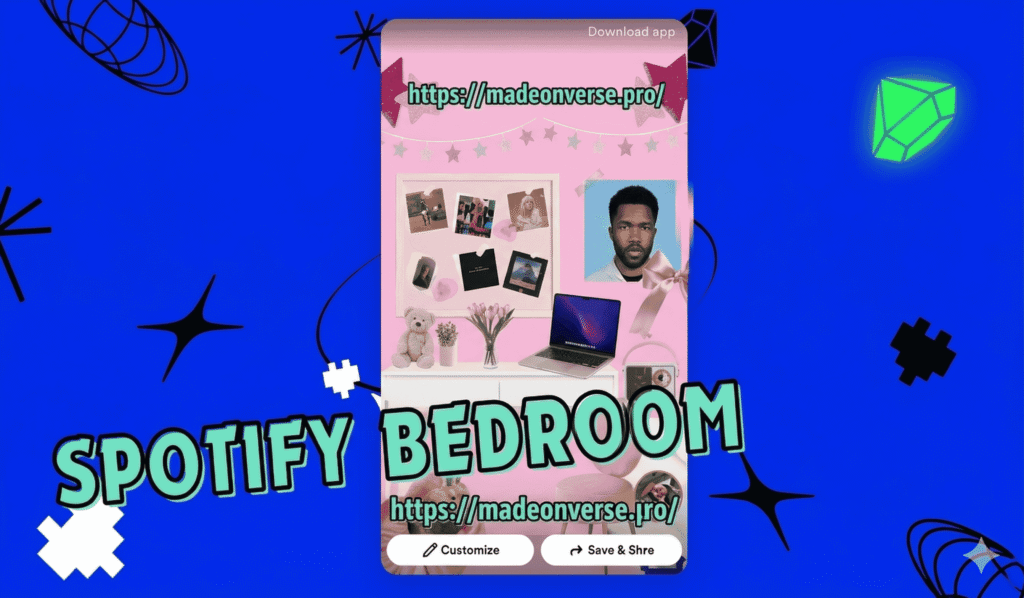
This article explains the concept of a “Spotify bedroom,” a trend where your music listening data shapes a personalised room aesthetic. It covers how the idea works, why it resonates culturally, and how tools like MadeOnVerse let you visualise your own music-inspired space. Introduction Your music taste already says a lot about you. The albums you replay on loop and the playlists that mark different seasons of your life shape your mood, your identity, and, apparently, your bedroom. The Spotify bedroom trend takes that idea seriously. Instead of scrolling Pinterest for room inspo that doesn’t quite feel like you, this concept starts with your listening data and builds outward. What you hear becomes what you see. If you’ve ever typed “my Spotify bedroom” into a search bar, you’re not alone. Thousands of people want to know: what would my room look like if it reflected my actual music taste? This article breaks down exactly what that means, where the idea comes from, and how to actually visualise yours. What Is a Spotify Bedroom? A Spotify bedroom is a visual concept, a room aesthetic generated or inspired by your personal music listening habits, typically sourced from Spotify data. It’s not a product Spotify sells. It’s a cultural phenomenon: the idea that your most-played artists, genres, and moods carry an aesthetic identity that could translate into a physical space. Soft indie folk might suggest warm, dim lighting, linen textures, and earthy tones. Hyperpop could look like neon accents, chaotic shelving, and maximalist décor. Dark ambient? Think sparse furniture, cool greys, and a single strong light source. The concept sits at the intersection of music identity, bedroom culture, and algorithmic personalisation, and it’s resonated hard with an audience that’s grown up curating Spotify profiles as a form of self-expression. Why Bedroom Aesthetics and Music Taste Are Deeply Connected Bedrooms have always been personal. They’re the one space most people fully control, and naturally, they fill it with things that reflect who they are posters, colours, lighting, and objects. Music works the same way. There’s a reason music and space feel linked. Both are sensory experiences that shape mood. The same way a room’s lighting changes how you feel inside it, a song’s tempo and texture change how you experience the world around you. Bedroom culture on social platforms has amplified this. The “bedroom pop” genre, lo-fi and intimate, often home-recorded, has an entire aesthetic world built around it. Artists like Beabadoobee and Rex Orange County don’t just make music; they project a complete visual identity that fans absorb and reflect back through their own spaces. When people search for their “Spotify bedroom,” they’re looking for the same thing: a visual translation of something they already feel emotionally. How the Spotify Bedroom Trend Works The trend emerged from a few overlapping forces: Spotify Wrapped gave people the language to describe their music identity in numbers and categories. Top artists, genres, and listening minutes, suddenly your taste had data behind it. Aesthetic culture online made “bedroom aesthetics” a serious design conversation. Cottagecore, dark academia, Y2K, indie sleaze — these weren’t just room styles. They were identities with playlists attached. Interactive web tools connected the two. Sites began offering music personality quizzes, aesthetic generators, and room visualizers that used Spotify listening data to produce a personalized result. The appeal is obvious: instead of a generic quiz, you get something that actually knows your music. The result is a cultural moment where your algorithmic listening history becomes the blueprint for your dream space. What Your Spotify Data Actually Reveals About Your Aesthetic Spotify’s data model tracks more than just songs. It indexes genre, tempo, energy, valence (a measure of musical positivity), acousticness, and danceability. These variables paint a surprisingly vivid picture. Someone who’s listening skews toward high-energy, electric genres typically gets mapped to bold, saturated aesthetics, strong contrasts, statement pieces, an intentional visual loudness. Someone heavy on acoustic, low-tempo, melancholic tracks tends toward warmer, softer spaces. Think layered textiles, worn wood, candlelight. That’s the engine behind the Spotify bedroom concept. It’s not just “what genre do you like?” It’s a more layered reading of your listening patterns that produces a coherent aesthetic direction, one that actually fits. My Spotify Bedroom: How to Find Out Yours So how do you actually see your Spotify bedroom? Tools like MadeOnVerse let you connect your Spotify data and generate a visual representation of your music-inspired room. Rather than giving you a generic mood board, the goal is to show you something specific, a space that reflects your actual listening identity. It’s the same idea behind internet bedroom, which maps your online and musical personality to a distinct room aesthetic. The digital bedroom has become its own genre of self-discovery tool. Here’s what the process typically looks like: Some tools go further, letting you explore different “room modes” depending on your different playlists, or generating a full bedroom aesthetic breakdown with visual elements. Spotify Bedroom Aesthetics: A Quick Reference If you want a rough sense of where different listening habits land aesthetically, here’s a practical breakdown: Indie / Bedroom Pop Warm lighting, earthy tones, vintage furniture, plant-filled, textured walls, record players, fairy lights. A space that feels lived-in and unhurried. Hip-Hop / R&B Clean lines meeting statement pieces. Monochrome with bold accents. Luxury textures mixed with street culture references. Intentional. Electronic / Techno Minimal clutter. Cool, blue-tinged lighting or deep reds. Clean surfaces, tech-forward objects. A sense of controlled intensity. Classical / Jazz Refined and layered. Dark wood, warm reading lamps, books, and intentional ornamental objects. Quiet richness. Metal / Hardcore Deliberate darkness. Strong contrasts. Statement art. Spaces that feel like they have a point of view and don’t apologize for it. Pop / Top 40 Accessible, bright, high-saturation colors. Instagrammable without trying too hard. Trend-aware but personal. These aren’t rules, they’re starting points. Your Spotify bedroom might blend two or three aesthetics, just like your playlist does. Why This Trend Is More Than a Quiz It’s easy to dismiss the