Introduction
Personalized virtual rooms feel personal because they connect human psychology with digital design in a way that makes users feel comfortable, understood, and emotionally involved.
When people customize a virtual room, they are not just choosing colors or objects; they are shaping a digital space that reflects their identity, preferences, and emotions. This is why digital personalization plays such a strong role in virtual environment psychology and user behavior.
Understanding the Psychology of Personalized Virtual Rooms
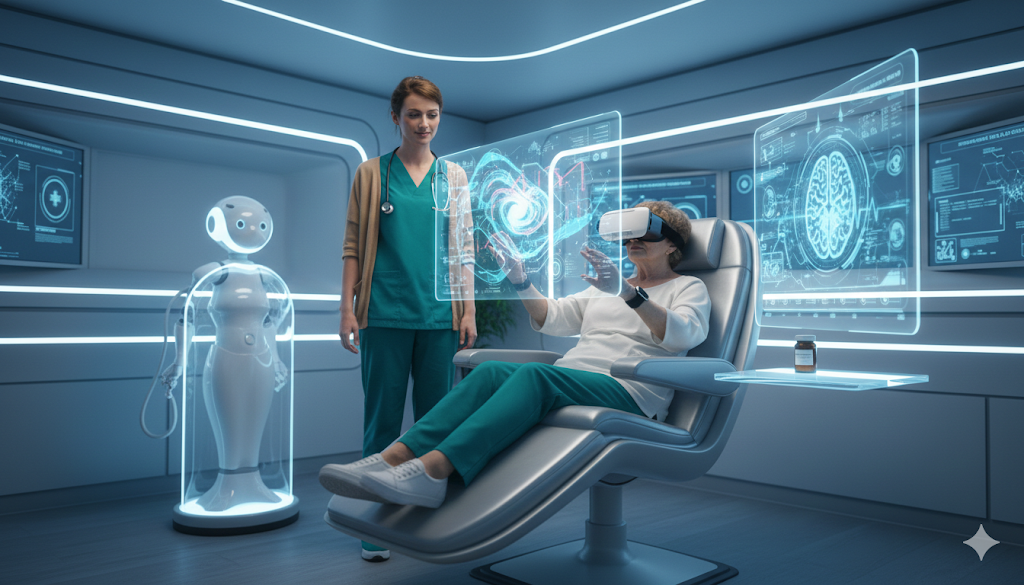
The psychology of personalized virtual rooms helps explain why people feel emotionally attached to digital spaces they design themselves.
When users shape a virtual environment based on their own choices, the mind begins to treat that space as familiar and safe, which strengthens emotional response and mental comfort.
Sense of Control and Mental Comfort
Having control over a personalized virtual room gives users a strong sense of control that directly affects their mental comfort. When people decide how their virtual space looks and feels, their brain feels more relaxed and confident. My teacher once said, “When you choose, your brain feels calm,” and this idea fits perfectly with how user psychology works in personalized digital spaces.
Emotional Attachment to Digital Spaces
Emotional attachment grows when a virtual room matches a user’s feelings and personality. Over time, personalized virtual rooms become digital comfort zones where users feel relaxed and emotionally balanced. This attachment explains why people return to the same virtual environments again and again.
Virtual Room Customization as a Form of Self-Expression
Virtual room customization is a modern way for people to express themselves in digital environments.
Just like decorating a real room, customizing a virtual space allows users to show who they are without using words.
Personal Identity and Virtual Identity
Personal identity connects deeply with virtual identity when users design their own digital spaces. The colors, layouts, and themes people choose reflect their mood, personality, and preferences. In class, we learned that “choices tell stories,” and virtual rooms tell the story of the user through design.
Sense of Ownership Through Customization
Customization creates a sense of ownership that makes virtual rooms feel meaningful. When users build something themselves, they care more about it and stay engaged longer. This is why personalized digital spaces often feel more important than generic virtual environments.
How Personalized Virtual Rooms Enhance User Experience
Personalized virtual rooms improve user experience by focusing on user-centered virtual design.
When a virtual space feels familiar and easy to use, users enjoy spending time there.
Cognitive Engagement and Attention Span
Personalized virtual environments increase cognitive engagement because the brain pays more attention to things that feel relevant and familiar. When users recognize their own preferences in a virtual room, their attention span improves, and the experience feels more immersive and enjoyable.
Interaction Design and Usability
Good interaction design and usability make virtual rooms easy to navigate and understand. When controls feel simple and natural, users can focus on enjoying the space instead of figuring out how it works. This positive user perception strengthens the overall user experience.
Emotional and Social Connections in Virtual Spaces
Virtual spaces are not only personal; they also support emotional and social connections.
Personalized virtual rooms help users feel connected even when they are online.
Social Presence and Belonging
When users personalize their virtual living spaces, they feel a stronger sense of social presence and belonging. Even on online platforms, customized environments help people feel like they truly belong somewhere, which is important for emotional well-being.
Motivation and Habit Formation
Personalized digital spaces increase motivation because users enjoy returning to environments that feel comfortable. This comfort supports habit formation, as users naturally revisit spaces that make them feel relaxed and happy.
Role of Virtual Reality and Metaverse in Personalization
Virtual reality personalization and metaverse room design are making digital spaces more immersive than ever.
These technologies allow users to experience virtual rooms in ways that feel almost real.
Immersive Technology and 3D Environments
Immersive technology and 3D environments improve spatial awareness and emotional connection. When users move inside a virtual room, the brain processes it like a real space, which strengthens engagement and emotional response.
Digital Avatars and Online Platforms
Digital avatars add another layer of personalization to virtual rooms. When avatars match a user’s personality and virtual environment, the experience becomes more meaningful. This is why many online platforms focus on avatar-based personalization.
Psychological Benefits of Personalized Virtual Rooms

Personalized virtual rooms offer psychological benefits that go beyond visual design.
These environments can positively influence mental well-being and emotional balance.
Emotional Satisfaction and Mental Well-Being
When a virtual room reflects a user’s emotional needs, it brings emotional satisfaction and calmness. Personalized spaces can reduce stress and help users feel more at ease. My teacher says, “Happy spaces help calm minds,” and this applies to digital environments too.
User Engagement and Behavior
Personalization guides user behavior in a positive way. When users feel connected to a virtual space, user engagement increases naturally, leading to longer interaction and stronger loyalty.
Potential Downsides and Ethical Considerations
While personalized virtual rooms have many benefits, they also come with challenges.
Understanding these risks helps create balanced and responsible digital experiences.
Over-Personalization and Digital Dependency
Too much personalization can sometimes lead to digital dependency. If users spend excessive time in virtual environments, it may reduce real-world interaction and affect attention span. Balance is important for healthy usage.
Privacy and Ethical Design
Personalization often uses user data, which makes privacy and ethical design very important. When platforms are transparent and respectful of user choices, trust grows and personalization becomes safer.
Future of Personalized Virtual Rooms and Human Psychology
The future of personalized virtual rooms is closely linked to human-computer interaction.
As technology grows, digital spaces are becoming more human-focused.
AI-Driven Customization and Digital Identity
AI-driven customization can help virtual rooms adapt to user preferences over time. When systems understand user behavior, digital identity becomes stronger and more personal.
Long-Term Psychological Impact
In the long term, personalized virtual environments may shape how people think, feel, and interact online. With responsible design, these spaces can support healthy emotional and psychological development.
FAQs – Psychology of Personalized Virtual Rooms
Why do people personalize virtual rooms?
People personalize virtual rooms because customization gives them control, comfort, and a way to express their identity.
How do virtual rooms affect human psychology?
Virtual rooms affect human psychology by improving emotional attachment, engagement, and mental comfort.
Does personalization increase user engagement?
Yes, personalization increases user engagement by making experiences more relevant and meaningful.
Are personalized virtual spaces good for mental health?
When used in balance, personalized virtual spaces can support relaxation and emotional well-being.
How do virtual rooms reflect personality?
Virtual rooms reflect personality through design choices such as colors, layouts, and themes.
Conclusion
Personalized virtual rooms combine psychology and digital design to create spaces that feel meaningful and emotionally engaging.
When personalization is user-centered and ethical, virtual environments become more than technology—they become places where people feel comfortable, connected, and understood.