Apple Music Stats: Your Apple Music Listening Data
The term apple music stats refers to the collection of data points, user metrics, subscriber growth milestones, streaming numbers, and personalized annual listening summaries (Apple Music Replay) associated with Apple’s premium music streaming ecosystem. The global music streaming ecosystem has undergone an incredible evolution over the last decade, transitioning from physical formats and digital downloads to on-demand cloud libraries. Standing tall at the center of this transformation is Apple Music. For artists, industry analysts, consumers, and digital marketers alike, keeping a pulse on the latest streaming indicators is vital to understanding where modern culture is heading. Analyzing these metrics gives us a crystal-clear look into consumer behavior, shifting market shares, and the economic landscape of the creative arts. As we navigate through 2026, music streaming is no longer just about hit singles; it is driven by immersive ecosystems, spatial audio adaptation, predictive AI algorithms, and community-centric virtual experiences. Understanding these data patterns allows us to decipher how hardware ecosystems influence media software choices, how regional demographics dictate viral chart trends, and how premium high-fidelity audio formats are quickly turning from a luxury feature into a baseline consumer requirement across the globe. What is Apple Music Stats? At its core, this dataset encompasses both macro-level industry metrics and micro-level user habits. On a macro level, it refers to the corporate financial performance indicators, total active premium subscriber figures, geographic market penetration charts, and the per-stream payout rates that Apple provides to record labels and independent music creators. Because Apple fiercely guards its exact operational metrics, these data points are frequently compiled via comprehensive consumer surveys, legal financial disclosures, and reliable third-party market research assessments. On a micro or individual consumer level, these metrics represent a user’s digital footprint within the app. This includes specific data regarding individual listening hours, most-played artists, favorite genres, top albums, and algorithmic playlist engagement. Every time a user streams a song, skips a track after three seconds, adds a melody to their library, or favorites an upcoming artist, Apple aggregates these actions to shape a personalized taste profile. This behavioral tracking culminates in the highly anticipated annual end-of-year review feature, known as Apple Music Replay. The History and Evolution of Apple’s Audio Metrics To truly appreciate where Apple’s music metrics stand today, we have to look backward. Long before streaming took over the world, Apple completely revolutionized the music business with the launch of the iTunes Store and the original iPod back in the early 2000s. Back then, data tracking was remarkably straightforward: it was entirely based on digital downloads. The primary indicators of success were total individual song purchases ($0.99 per track) and complete digital album downloads. This transactional model gave Apple a massive competitive edge, turning it into the world’s largest music retailer within a few short years. However, consumer preferences shifted rapidly in the 2010s. The rise of cloud computing and unlimited mobile data plans paved the way for subscription services like Spotify, which allowed users to stream millions of tracks for a flat monthly fee rather than buying songs individually. Recognizing that the transactional iTunes model was nearing its end, Apple made a monumental pivot. In 2014, they acquired Beats Electronics—including its premium Beats Music streaming service—for a historic $3 billion. This acquisition became the foundation upon which Apple Music was officially built and launched globally in the summer of 2015. When Apple Music entered the arena, it faced a massive challenge: convincing a generation of internet users accustomed to free ad-supported listening tiers to pay a monthly premium fee. Apple chose to forgo a free ad-supported tier entirely, relying instead on high-profile exclusive album drops, curated human radio stations like Beats 1 (now Apple Music 1), and seamless integration with hundreds of millions of pre-existing iOS devices. Over the next decade, Apple’s internal tracking systems evolved from counting raw plays to tracking complex spatial audio engagement, algorithmic radio optimization, and seamless multi-device continuity analytics across the entire global tech landscape. How Apple Music Stats Work and Their Modern Value Today, Apple utilizes advanced cloud infrastructure to monitor and process billions of data interactions every single day. When you hit play on a high-fidelity Lossless or Dolby Atmos spatial audio track, a complex series of metrics are instantly logged. For a stream to officially count toward global chart calculations and artist revenue payments, a user must listen to a song for a minimum of 30 seconds. This standard ensures that accidental clicks or quick skips don’t artificially skew the overall data integrity or financial payouts. The modern value of these analytics extends far beyond basic curiosity. For record labels and independent creators, these specific metrics are essential tools for mapping out international touring schedules, planning high-ROI marketing budgets, and deciding which tracks to push to mainstream radio. For everyday consumers, this data forms the basis of highly personalized discovery algorithms. The platform analyzes your listening patterns to generate dynamic, custom-tailored mixes such as the “Discovery Station,” “Get Up! Mix,” and “Favorites Mix,” ensuring that the app constantly adapts to your evolving musical tastes. Real-World Examples of Data in Action To fully grasp how these metrics influence the entertainment landscape, let’s explore a few practical scenarios of data utilization: 1. Global Chart Domination and Viral Trends When an artist releases a highly anticipated album, Apple Music’s daily Top 100 charts provide immediate insight into regional popularity. If a track reaches the top spot in major European, Asian, or Latin American markets within hours of release, it flags the song for global editorial playlisting, causing a major snowball effect that amplifies its overall popularity across social channels. 2. Strategic Tour Planning for Artists Independent artists routinely analyze their backend listener metrics to locate geographic pockets of high engagement. If an indie group notices a massive, unexpected surge in streams originating from Tokyo or Paris, they can confidently book venue dates in those cities, knowing there is an established, data-backed audience ready to purchase tickets. 3. Immersive Virtual Spaces and Interactive Ecosystems The intersection
What is Bedroom Pop?
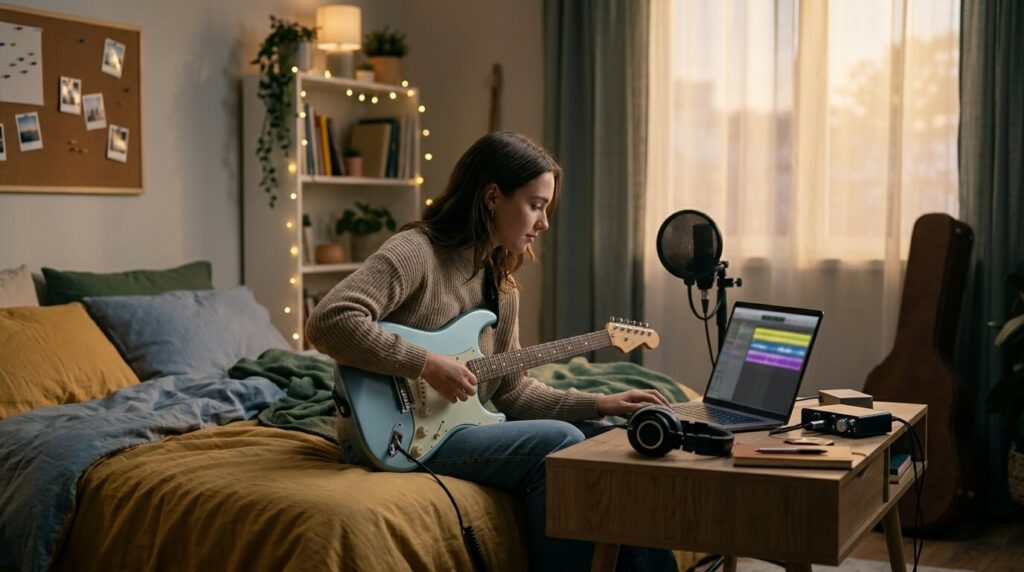
Bedroom Pop Meaning, Origin, Artists & Full Cultural Guide (2026) Bedroom Pop is a DIY music genre created in home bedrooms using simple tools, soft vocals, emotional lyrics, and lo-fi production instead of professional studios. What is Bedroom Pop? Bedroom Pop is a modern indie music genre that focuses on emotional storytelling and home-based music production. Artists record songs in their bedrooms using laptops, cheap microphones, and basic software instead of expensive studios. The genre is known for its raw, honest, and imperfect sound. Instead of perfect mixing, Bedroom Pop values emotion and authenticity, which is why it connects deeply with Gen Z listeners. History and Origin of Bedroom Pop Bedroom Pop started growing in the early 2010s when platforms like SoundCloud and YouTube allowed independent artists to publish music without record labels. Later, TikTok and Spotify playlists pushed this sound into the mainstream. Young creators began making music in small rooms, leading to a new wave of DIY musicians who didn’t rely on big studios. You can explore more digital culture trends on MadeonVerse, where online aesthetics and music culture are deeply discussed. How Bedroom Pop Works Today Today, Bedroom Pop artists use digital tools like GarageBand, FL Studio, and Ableton Live to create music at home. Many songs go viral first on TikTok before reaching Spotify charts. The process is simple: write lyrics, record vocals at home, add soft beats, and publish online. No big production team is needed. Real-World Examples of Bedroom Pop Culture “Clairo’s song Pretty Girl went viral and defined Bedroom Pop for millions of listeners.” Her early music showed how a simple home recording could become a global hit. “Girl in Red became the voice of emotional DIY indie music.” She represents honesty and raw storytelling in Bedroom Pop culture. “Beabadoobee brought nostalgic guitar sounds into modern Bedroom Pop.” Her tracks mix indie rock and soft bedroom recording style. “Bedroom Pop tracks often go viral through TikTok edits and aesthetic videos.” Short-form content plays a huge role in popularity today. Benefits and Importance of Bedroom Pop Bedroom Pop allows anyone to become a musician without needing expensive equipment. It removes barriers and gives creative freedom to young artists. It also builds emotional connection because listeners feel the music is personal and real rather than commercial. Bedroom Pop vs Indie Pop Feature Bedroom Pop Indie Pop Production Home-made, DIY Studio-based Sound Lo-fi, emotional Polished, commercial Style Raw & personal Radio-ready Bedroom Pop Trends in 2026 In 2026, Bedroom Pop continues to grow due to TikTok algorithms and Spotify indie playlists. AI tools are also helping small artists produce better sound quality while keeping DIY creativity alive. Short-form content is now the biggest driver of music discovery, making Bedroom Pop more viral than ever. Some music trends reports are available on Billboard reports and Pitchfork reviews, which track indie and emerging genres. FAQs About Bedroom Pop Is Bedroom Pop a real genre? Yes, it is a recognized indie music genre focused on DIY production and emotional sound. Why is it called Bedroom Pop? Because artists often record music in their bedrooms instead of professional studios. Is Bedroom Pop still popular in 2026? Yes, it is still growing due to TikTok and streaming platforms. Do you need expensive tools for Bedroom Pop? No, basic laptops and free software are enough to start. Which apps are used? GarageBand, FL Studio, and Ableton are commonly used tools. Conclusion Bedroom Pop is more than just a music style — it is a movement of creativity, honesty, and independence. It proves that music does not need expensive studios to be powerful. From small bedroom recordings to global viral hits, this genre continues to shape modern digital music culture.
Internet Bedroom – Create Your Perfect Music-Inspired Dream Room
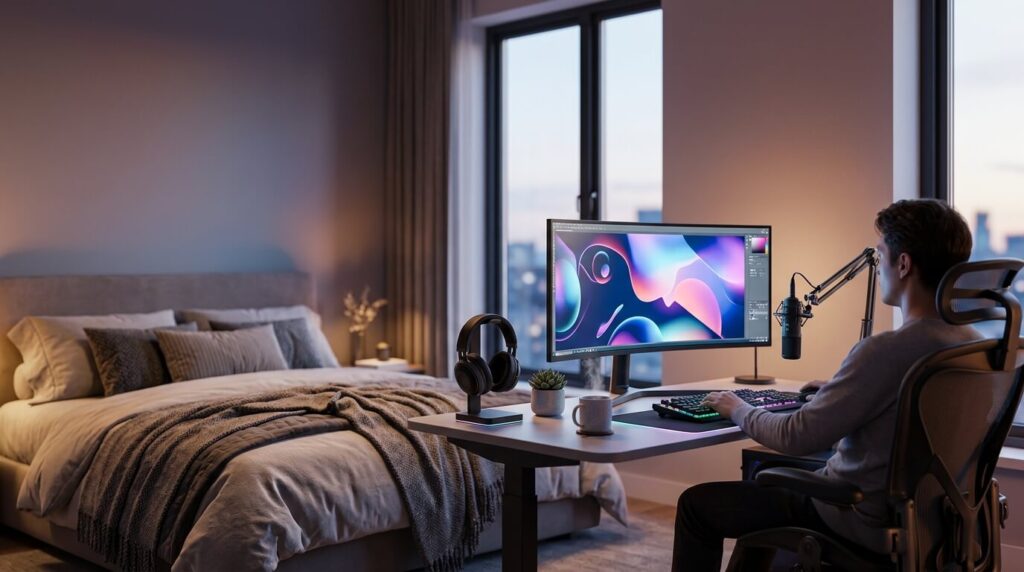
“Internet bedroom” means a highly curated, aesthetically styled personal space — designed to reflect an online identity, look great on camera, and signal belonging to a specific internet subculture or aesthetic community. What Is an “Internet Bedroom”? An internet bedroom is more than just a place to sleep. It is a carefully designed personal space built around an online aesthetic identity. Every item — the fairy lights, the posters, the book stacks, the desk setup — is chosen intentionally to match a specific visual style that has roots in internet culture. The concept became widely recognized through platforms like TikTok, Pinterest, and Tumblr, where bedroom tours and aesthetic room reveals became their own genre of content. Users started designing rooms not just for comfort, but for camera. The result is a living space that feels like a curated mood board brought to life. Internet bedrooms are closely tied to Gen Z culture and the rise of aesthetic micro-communities online. Whether someone identifies as Dark Academia, Cottagecore, Coquette, or Y2K, their bedroom becomes a physical extension of that digital identity. It is personal branding in physical form — a space that says “this is who I am online, and this is where I actually live.” The term has moved beyond slang into a real design and lifestyle trend, discussed across interior design forums, social media, and even mainstream media covering Gen Z aesthetics. Real-World Examples of “Internet Bedroom” Aesthetics in Use “She posted a TikTok room tour and the comments went wild — pure internet bedroom energy with the LED lights, tapestry, and stacked aesthetic books.” On TikTok, bedroom tours are a massive content category. A room packed with LED strips, thrifted frames, and carefully placed plants is the textbook internet bedroom setup — designed as much for the camera as for the person living in it. “His Pinterest board is basically a blueprint for the perfect internet bedroom — Dark Academia lamps, vintage maps, and a wooden desk stacked with classic novels.” Pinterest remains the moodboard capital of internet bedroom planning. Users collect hundreds of pins to build a visual language for their room before buying a single thing — it is aspirational design rooted entirely in online aesthetics. “Reddit’s r/femalelivingspace is full of internet bedroom inspo — Cottagecore floral curtains, dried flowers, and warm vintage lamps in every post.” Subreddits dedicated to living spaces have become community hubs for internet bedroom culture. Users share room photos and receive feedback based on how well the space aligns with a recognized aesthetic — it is peer-reviewed interior design. “She did a full YouTube room makeover — turned a plain white box into a full Coquette internet bedroom with pink bows, vintage mirrors, and sheer curtains.” YouTube room makeover videos are a dedicated genre. Creators walk viewers through a complete transformation, often revealing how accessible and budget-friendly building an internet bedroom can be — which makes the trend even more viral. “His e-boy desk setup is peak internet bedroom — dual monitors, neon signs, a pegboard with gaming gear, and a ring light always within arm’s reach.” The gaming and streamer community has its own version of the internet bedroom. The setup is functional but highly styled — the desk becomes a content creation studio and the whole room is lit for streaming. It is an internet bedroom built for performance. Where Did the “Internet Bedroom” Trend Come From? The roots of the internet bedroom stretch back to the early Tumblr era of the 2010s. That was the first time bedroom aesthetics became a serious online currency. Teens posted bedroom photos in the style of their favorite Tumblr aesthetic — fairy lights, film photos strung across walls, messy bookshelves, band posters, and vintage finds from thrift stores. As Pinterest grew, it gave users a more organized way to collect and share bedroom inspiration. Mood boards became a standard part of planning a room redesign. The aesthetic was aspirational — soft, curated, photogenic. The VSCO girl era brought scrunchies, hydro flasks, and a warm, sunny coastal bedroom vibe. The e-girl and e-boy aesthetic flipped that into something darker and more edgy — black tapestries, neon signs, alt posters. Then TikTok exploded the whole thing. Room tours went viral. Bedroom reveal videos racked up millions of views. Suddenly “aesthetic room” was not just a personal preference — it was content. New sub-aesthetics spawned almost monthly: Dark Academia, Cottagecore, Goblincore, Soft Girl, Indie Sleaze, Y2K. Each one came with its own bedroom blueprint. By the mid-2020s, the internet bedroom had become a fully mainstream concept — covered in interior design magazines, referenced in marketing campaigns, and discussed in cultural essays about Gen Z identity. How Is the “Internet Bedroom” Trend Used Today? Today, the internet bedroom trend is more active than ever and has spread across every major social platform. On TikTok, room tour videos and “aesthetic room transformation” content regularly hit millions of views. Creators use hashtags like #aestheticroom, #roommakeover, and #darkacademia to reach communities built entirely around bedroom design. On Pinterest, internet bedroom boards are among the most saved and followed content. Users build collections organized by aesthetic sub-genre — a Cottagecore board looks completely different from a Y2K board, even though both are “internet bedrooms” at heart. If you want to understand what drives this movement, exploring internet bedroom culture through the lens of online slang and identity helps explain why Gen Z invests so heavily in how their spaces look — it is deeply tied to how they present themselves digitally. The most popular internet bedroom aesthetics right now include: Dark Academia — warm wooden furniture, antique lamps, stacked books, globe decor, leather-bound journals, and a generally moody scholarly atmosphere Cottagecore — floral prints, dried flowers, wicker baskets, linen curtains, potted plants, and vintage ceramic pieces Y2K — chrome accents, inflatable furniture, retro tech, iridescent textures, and bold digital-era color palettes Coquette — pink and cream tones, bows, lace, vintage mirrors, soft lighting, and feminine maximalism Goblincore — natural textures,
Can kids use Madeonverse in 2026
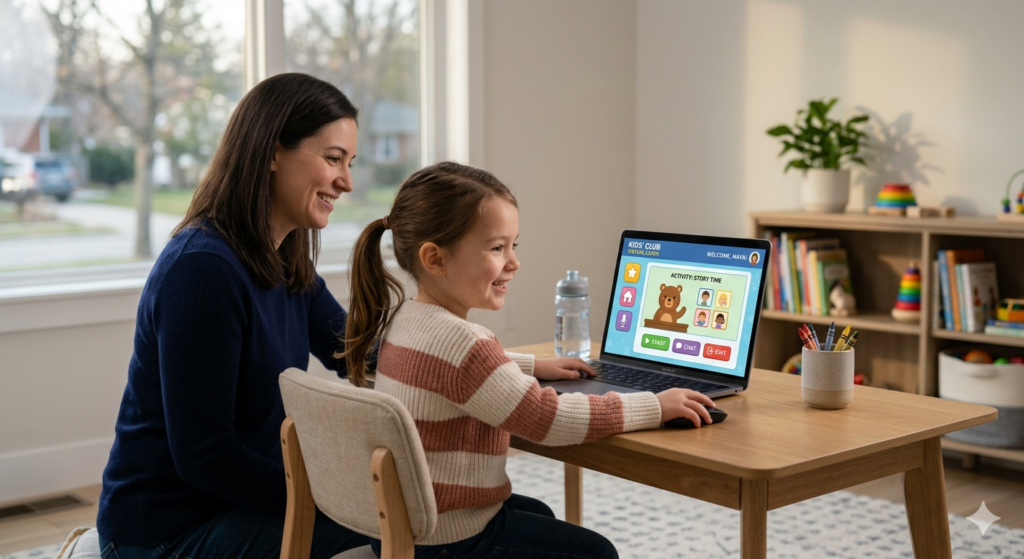
Can Kids Use Madeonverse? Safety Guide for Parents (2026) Can Kids Use Madeonverse? A Real Parent Guide to Digital Music Safety Every parent knows that quiet moment when their child is staring at a screen. You wonder, “What are they actually doing?” Digital spaces change fast. One day it is a simple game. The next day, it is a complex social hub. Now, everyone is talking about Madeonverse. It looks cool. It sounds amazing. But is it right for your 10-year-old? I get it. You want them to explore creativity. You do not want to block every new thing. But you also want to sleep at night knowing they are safe. The Quick Answer: Yes, kids can use Madeonverse, but with conditions. While the platform focuses on music and creativity, it is a social space. It is best suited for teenagers aged 13 and up. Younger children should only explore it under strict parental supervision. Is Madeonverse built for children? To be honest, the platform was not made specifically as a “kids’ app.” It is a sophisticated digital environment. Think of it as a virtual concert hall combined with a social lounge. When you look at what Madeonverse actually is in 2026, you see it is deeply immersive. It uses high-end visuals and real-time audio. This can be a bit overwhelming for very small children. However, many teens love it. It gives them a space to hang out that feels more mature than Roblox but safer than random chat rooms. — What is the official age limit? Most virtual platforms follow the COPPA rules. This usually means a minimum age of 13. Madeonverse generally follows this trend. Why? Because social interaction requires maturity. Can a 10-year-old click the buttons? Yes. But can they handle a conversation with a stranger from across the globe? That is the real question parents need to answer. — Common risks for young users Every digital space has its shadows. In this music world, the risks are not about violence. They are about interaction. Unfiltered Chat: Real-time interaction means anything can be said. Flashing Lights: The immersive visuals might trigger sensitive eyes. Privacy Settings: Kids often forget to lock their virtual rooms. Time Management: The “flow state” in music rooms can make hours disappear. — Comparison: Madeonverse vs Discord for Kids Madeonverse: Focuses on music, visuals, and shared aesthetic experiences. Lower frequency of “random” spam. Very creative. Discord: Mostly text and voice. Harder to monitor. Higher risk of joining unverified servers. The Verdict: Madeonverse feels more “contained” because the activity is centered around the music environment. — The “Room Aesthetic” Trap: Why kids get obsessed Kids love to express themselves. In this platform, they can build their own vibes. They spend hours picking the right colors and lights. It is like a digital bedroom. If your child is interested in design, they might want to check out some Madeonverse room aesthetic ideas. It is a great way to spark creativity. But as a parent, you should watch how much time they spend on “perfection.” — My personal experience with my nephew I let my 12-year-old nephew try it last month. I sat right next to him. At first, he was amazed by the sound quality. He said it felt like a “dream world.” But here is the thing. Within ten minutes, someone joined his room and asked for his “real name.” He almost typed it. I had to stop him. This was a huge learning moment. No matter how “cool” the app is, the internet is still the internet. — One mistake I made (And you should avoid) When I first set up the account, I used his real birth year. Then, I didn’t check the “private room” default setting. I assumed the app would keep him hidden. It didn’t. The lesson? Always go into the settings yourself. Do not trust the “default” for your child’s safety. — How to set up Madeonverse for your child If you decide to let them explore, follow these steps: Create the account together: Use a family email address. Set a Private Hub: Make sure their main room is not “public.” Disable Direct Messages: Go to the privacy tab and limit who can message. Explore together first: See how it compares to other virtual music platforms so you know the layout. Talk about “Digital Strangers”: Remind them that an avatar is still a person they don’t know. — Benefit: The educational side of Madeonverse It is not all about risks. There are genuine benefits. Madeonverse helps kids understand: Sound Engineering: How different layers of music work. Spatial Awareness: Navigating 3D environments. Global Culture: Seeing how music lovers around the world share their tastes. — Tips for a safer experience Set a 30-minute timer for sessions. Keep the computer in a shared family room. Use high-quality headphones (it helps them focus on the music, not just the chat). Ask them to “show you” what they built every weekend. — Real-life examples of kids using the platform Example 1: The Creative Builder A 14-year-old girl used the platform to design a “study lounge.” She plays low-fi music and invites two school friends. They study together in a virtual space. This is a very positive use case. Example 2: The Music Producer A teen boy started experimenting with the audio layers. He learned how tempo changes the visual vibe of the room. It became a hobby that led him to learn real music software. — What are the common mistakes parents make? The biggest mistake is “install and forget.” You cannot treat Madeonverse like a TV show. It is interactive. Another mistake is ignoring the audio. Sometimes the lyrics in public rooms can be mature. Always check what “station” or “room” they are entering. — Internal Resources for Parents Understanding the 2026 platform updates Safest virtual music apps for teens Creative room designs for young creators — FAQs Is Madeonverse free for kids?Yes, it has a free version, but watch out for
Benefits of using Madeonverse

Benefits of Using Madeonverse – Complete Guide Benefits of Using Madeonverse: Complete Human Guide to Immersive Music Experience Madeonverse is not just another digital platform. It is a full immersive experience where music, interaction, and virtual environments merge together. To understand the base concept, you can first read: what Madeonverse actually is in 2026 — What are the benefits of using Madeonverse? The benefits of using Madeonverse include immersive music experience, virtual room interaction, global connectivity, real-time communication, and full customization. It changes music from passive listening into an active experience. — Why is Madeonverse becoming popular? Key reasons: Immersive digital experience Interactive music environment Social connection in real time Creative customization tools Many users compare it with advanced platforms like: best virtual music platforms experience — Benefit 1: Immersive music experience Music becomes more than sound. It becomes an environment. Users feel like they are inside the music instead of just listening to it. — Benefit 2: Virtual room experience Users can enter virtual rooms where music and visuals work together. These rooms create emotional and interactive experiences. Design inspiration: Madeonverse room aesthetic ideas — Benefit 3: Global connection Users from different countries connect in the same digital space. This creates a global music community. More detail: music lovers around the world in Madeonverse — Benefit 4: Full customization Users can customize their digital space completely. Includes: Room layout Lighting system Music mood Visual design — Benefit 5: Real-time interaction Users can chat, react, and interact live inside virtual spaces. — Real-life examples Virtual concert with global audience Study room with focus music Creative collaboration space — My personal opinion In my experience, the strongest benefit is emotional immersion. But I made a mistake in the beginning. I over-customized my space and it became confusing. Later I learned that simple setup works better. — Common mistakes Too many visual elements Ignoring audio balance Not exploring multiple rooms Complex setup without need — Comparison: Madeonverse vs traditional platforms Madeonverse = immersive + interactive + customizable + social Traditional apps = passive + static + limited — Tips for better experience Start simple Focus on sound quality Explore different environments Avoid over-design — External resources Virtual Reality concept Spotify platform Meta immersive systems — Internal links (SEO intent-based) What is Madeonverse 2026 explained Best virtual music platforms Madeonverse room aesthetic guide Global music experience — FAQs What is the main benefit of Madeonverse?Immersive music experience with interaction. Is it better than normal music apps?Yes, because it adds visuals and interaction. Can users customize rooms?Yes, full customization is possible. Does it support global users?Yes, users from all countries connect. Is it only for music?No, it also supports social and creative spaces. — Conclusion Madeonverse is more than a platform. It is a full immersive digital experience. It transforms music into an interactive environment. If used properly, it creates a powerful and emotional experience beyond traditional apps.
Features of Madeonverse: Key Tools, Benefits & Digital Experience (2026)
Features of Madeonverse – Complete Guide Features of Madeonverse: Complete Deep Guide to Virtual Music Experience Madeonverse is not just a simple platform. It is a full digital ecosystem where music, interaction, and virtual environments come together. To understand the base concept first, explore: understanding what Madeonverse actually is in 2026 — What are the features of Madeonverse? The features of Madeonverse include immersive virtual rooms, interactive music systems, global connectivity, and full customization tools. It is designed to create experience, not just music playback. — Why is Madeonverse different from other platforms? Key differences include: Immersive environments instead of flat streaming Real-time interaction between users Customizable digital rooms Emotion-based music experience Users exploring deeper often compare it with: best virtual music platforms for immersive experience — Virtual room experience feature One of the strongest features is virtual room creation. Users can enter digital environments where music and visuals work together. These rooms feel dynamic and interactive instead of static screens. Design inspiration comes from: Madeonverse room aesthetic customization ideas — Music integration system Music in Madeonverse is deeply integrated with the environment. It reacts based on room type, user interaction, and activity level. This makes sound feel alive rather than static playback. — Global user interaction feature Madeonverse allows users from different countries to interact in real time. This creates a global music community where people connect instantly. More insight: how music lovers connect globally inside Madeonverse — Customization feature Users can fully customize their environment based on mood and creativity. Customization options include: Room design layout Lighting control Music style selection Visual effects setup — Real-time interaction system Users can interact live inside virtual rooms. They can chat, react, and share experiences instantly. — Real-life examples A DJ hosting a global virtual concert Students using calm rooms for focus study Creators collaborating in digital environments — My personal insight When I first explored Madeonverse features, I tried too many things at once. That made the experience confusing. Later I realized that simplicity works better than over-customization. — Common mistakes users make Overloading virtual rooms Ignoring sound settings Not exploring multiple environments Complex setups without need — Comparison: Madeonverse vs traditional platforms Madeonverse = immersive + interactive + customizable + social Traditional platforms = passive + static + limited — Tips for better experience Start with simple rooms Focus on audio quality Explore different environments Avoid over-designing — External references Virtual Reality Overview Spotify Platform Meta Immersive Systems — Internal link structure (intent-based SEO) What is Madeonverse 2026 explained Best virtual music platforms comparison Madeonverse room aesthetic guide Global music experience in Madeonverse — FAQs What is Madeonverse used for?It is used for music, interaction, and virtual environments. Is it only for music?No, it also includes social and creative spaces. Can users customize rooms?Yes, full customization is available. Does it support global users?Yes, users from different countries connect together. Is it beginner friendly?Yes, but simple usage is recommended first. — Conclusion Madeonverse is not just a platform. It is a complete immersive experience system. It combines music, interaction, and virtual creativity in one ecosystem. If used properly, it creates a next-level digital experience beyond traditional platforms.
How to connect music (Spotify/YouTube)
How to Connect Music (Spotify / YouTube) – Complete Guide How to Connect Music (Spotify / YouTube): Complete Beginner Guide Music is part of daily life, but connecting it across devices still confuses many users. Sometimes Spotify works on phone but not on speaker. Sometimes YouTube casting fails without reason. This guide explains everything in a simple way so you can connect music easily without technical stress. Modern platforms like virtual music platforms are also changing how music connects with digital environments. — What does connecting music mean? Connecting music means linking your music app to another device like speakers, TV, or smart systems so playback happens remotely. Instead of playing sound only on your phone, you transfer it to another output device. — Why do people connect Spotify or YouTube music? People connect music for: Better sound experience Home speaker control TV streaming Wireless playback Multi-device control Music is no longer limited to one device. It now moves across ecosystems. — Quick answer: How to connect Spotify / YouTube music? You connect music using Spotify Connect, Bluetooth, or casting features. You simply select the device inside the app and start playback. — How does Spotify Connect work? Spotify Connect allows you to control music on other devices using the same WiFi network. Your phone becomes a remote control while music plays on speakers or TV. — How does YouTube music connection work? YouTube uses casting and Bluetooth technology to stream audio to other devices. You can tap the cast icon and select a supported device instantly. — Step-by-step guide: How to connect music Step 1: Check device compatibility Make sure your speaker, TV, or system supports Spotify or YouTube connection. Step 2: Connect to same WiFi Both devices must be on the same network for Spotify Connect to work. Step 3: Open music app Open Spotify or YouTube Music and log into your account. Step 4: Select device Tap “Devices Available” or cast icon and choose your device. Step 5: Start playback Play music and control it from your phone. — Real-life examples of music connection Home speaker system playing Spotify in living room YouTube casting on smart TV for family entertainment Virtual room music integration for digital environments Some users even combine music with immersive spaces like: global music experience platforms — Common problems users face Devices not on same WiFi Outdated apps Bluetooth interference Wrong account login Unsupported devices — Spotify vs YouTube music connection Spotify = Stable + Smart control system YouTube = Flexible + Video + Audio streaming Spotify is better for smooth audio control. YouTube is better for mixed media experience. — My personal experience (real insight) I once spent 30 minutes trying to connect Spotify to a speaker. The issue was simple — different WiFi networks. That mistake taught me that small details matter more than complex settings. — Tips to improve music connection Use same WiFi for all devices Keep apps updated Restart devices if needed Avoid multiple Bluetooth connections Use official apps only — How music connects with digital environments Music is now part of virtual experience design, not just listening. Platforms like Madeonverse 2026 concept show how music integrates into digital spaces. — External resources Spotify Official YouTube Music Streaming Media Concept — Internal links (SEO structure) Music room aesthetic ideas Best virtual music platforms Music connection worldwide Future of digital music spaces — FAQs Why Spotify not connecting?Check WiFi and app version. Can I use YouTube on speaker?Yes, via Bluetooth or cast. Do I need internet?Yes, stable connection is required. Why cast option missing?Device may not support casting. Which is better?Spotify is more stable, YouTube is more flexible. — Conclusion Connecting music is simple once you understand the system. Focus on WiFi, device compatibility, and proper app usage. Once set correctly, your music experience becomes smooth and powerful.
Digital Bedroom Ideas: Design Your Virtual Sleep Space (2026 Guide)
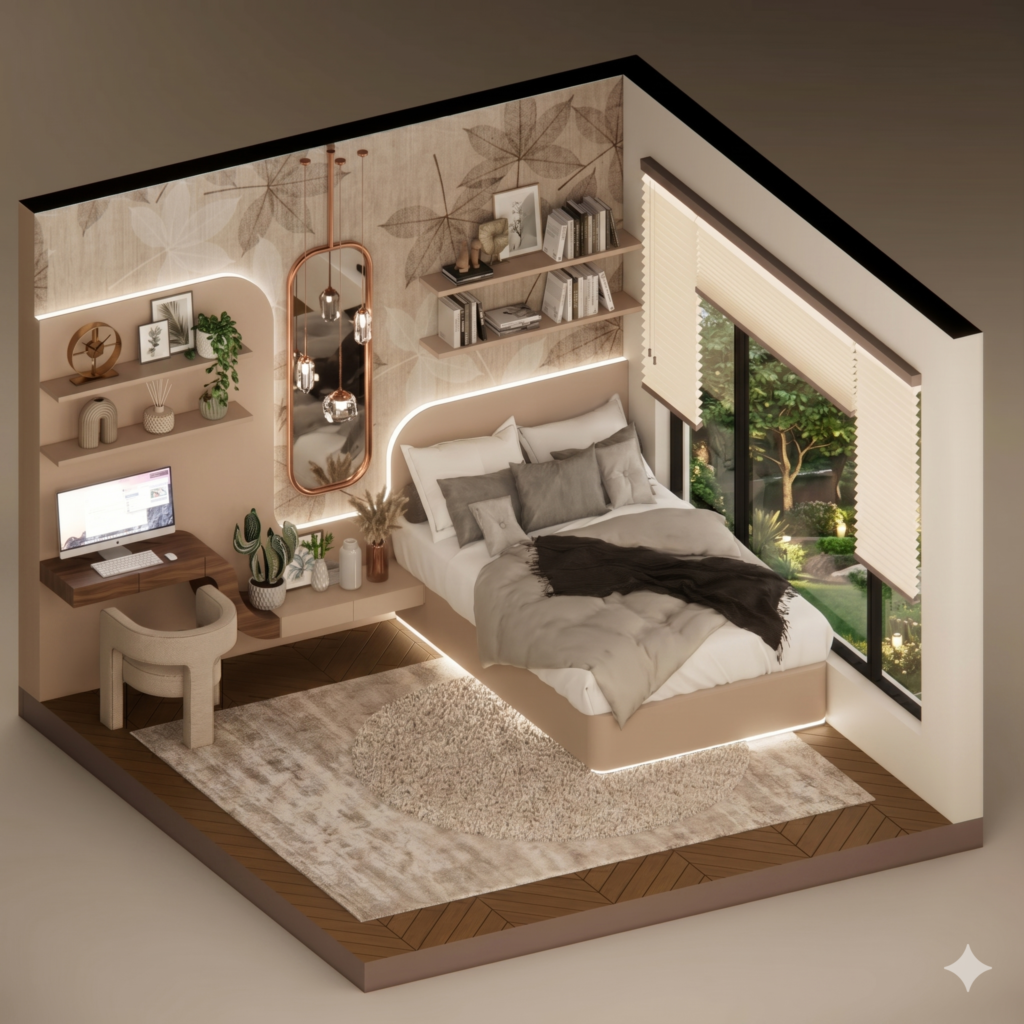
How to Customize Your Digital Bedroom How to Customize Your Digital Bedroom: Complete Beginner Guide A digital bedroom is your personal virtual space where creativity, mood, and identity come together. It is not just decoration, but a full emotional experience. Modern platforms like Madeonverse 2026 concept are changing how people design virtual environments. — What is a Digital Bedroom? A digital bedroom is a virtual space where you design your own online environment. It can be aesthetic, minimal, or fully creative. People use it for relaxation, focus, gaming, and self-expression. — Why is digital bedroom customization important? It improves: Mental focus Emotional comfort Creativity level Personal identity expression Music-driven environments like virtual music platforms show how customization improves digital experiences. — Quick Answer: How to customize your digital bedroom? You choose a virtual platform, select a layout, customize colors, add furniture, adjust lighting, and personalize your space with identity elements. — Step-by-step guide to customize your digital bedroom Step 1: Choose platform Pick a virtual room builder based on your needs like study, gaming, or relaxation. Step 2: Select layout Start with simple designs like cozy room, minimal setup, or aesthetic theme. Step 3: Choose colors Colors control emotions. Blue gives calmness, pink gives softness, black gives depth. Step 4: Add furniture Add bed, desk, lamps, chairs, and decorative items. Step 5: Lighting setup Lighting is very important. Soft lighting gives relaxation while bright lighting gives energy. Step 6: Add identity Include quotes, avatars, music corner, or personal themes. Step 7: Add interaction Add chat systems, music tools, and clickable elements. — Real-life examples of digital bedrooms Student study room with focus lighting Creative designer aesthetic room Relaxation room with soft music You can also explore aesthetic inspiration here: Room aesthetic ideas — Common mistakes Overloading with too many objects No clear purpose Poor lighting setup Too complex design structure — Digital bedroom vs physical bedroom Digital = flexible, creative, unlimited Physical = fixed, real, limited Digital rooms allow unlimited customization and instant changes. — Tips for better customization Keep design simple Focus on lighting first Use soft color themes Avoid clutter Update regularly — External resources (for deeper understanding) Virtual Reality Overview Meta Virtual Worlds Microsoft Teams Collaboration — Internal links (related guides) How music lovers connect worldwide Best virtual music platforms guide Madeonverse room aesthetic ideas What is Madeonverse 2026 — FAQs Do I need coding skills?No, most tools are beginner-friendly. Can I use it for study or work?Yes, it improves focus and productivity. Is it expensive?Many tools are free or low-cost. Can I change design later?Yes, anytime you want. Main benefit?Better focus, creativity, and comfort. — Conclusion A digital bedroom is more than design. It is your personal digital identity space. Start simple, experiment, and build a space that truly represents you.